

Back
Financial stress: Can Australian households afford another year of just getting by?

The mortgage payment goes through. The electricity bill gets paid. There is food in the fridge.
From the outside, a household can look as though it is managing. But what if keeping those bills paid means draining savings, putting groceries on credit and postponing every plan beyond the next payday?
Having a good income does not make you immune to financial stress. People who have worked hard and always managed on their own can find themselves needing support. That does not mean they have failed.
Over the six years to June 2026, living costs for employee households rose 33.8%, while Australian wages rose 20.3%. That gap helps explain why a pay rise can still leave you with less after the bills. The Price of Survival report.
As we head into 2027, I keep coming back to one question. What is just getting by costing our future?
On 3 November, the Reserve Bank raised the cash rate to 4.85%, its highest level since 2008. For households already experiencing mortgage stress, another interest rate rise means finding more money if their lender passes it on.
For families already down to bare bones, there is nothing left to cut without giving up essentials to survive.
You can cancel subscriptions. You can shop around for insurance. You can meal plan. But there comes a point when the choices become delaying dental care, putting off car repairs or using the emergency fund to cover an ordinary week.
The bill gets paid. The household becomes less secure.
That distinction matters. Paying everything on time does not tell us whether savings are shrinking, debt is growing or the next unexpected expense will tip the balance.
When groceries and other essentials go on credit cards or buy now pay later (BNPL), part of the next pay is already committed before it arrives. Credit card debt can keep growing while savings cover recurring shortfalls, leaving less protection against illness, reduced hours or a broken-down car.
Financial counsellors are hearing from people using BNPL for school uniforms and car repairs. When you start borrowing for those things, it’s harder to put money aside for the next surprise. The Price of Survival, p. 26.
The cost of living crisis can also push the dream of home ownership further away as a deposit is used to meet today’s bills. For homeowners under sustained pressure, the worry can shift from getting ahead to whether they can keep their home.
I see what these rate rises mean for our clients, including people carrying a mortgage on their own. They’re having to find more for repayments when there’s already very little room in the budget.
I want the federal government to reduce its own spending. Families have gone through their budgets with a fine-tooth comb, time and again. For many, there’s nothing left to cut.
Canberra should apply the same scrutiny to its own budget. That means identifying and cutting waste, reviewing lower-priority spending and being clear about which commitments can wait. Families are making difficult decisions about what they can afford. They deserve to see that same discipline from the people who decide how public money is spent.
The RBA has pointed to higher global energy prices and pressure on what the Australian economy can supply. Decisions about government spending in Australia are one part of the response.
I’d protect the essential services and targeted support households rely on and look for savings in lower-priority areas.
After more than 25 years helping Australians manage their money, I’ve seen the difference it makes when people can see beyond the next payday. A useful budget shows what today’s decisions mean for the months ahead. Our national conversation needs that longer view too.
If money is tight, our Cost-of-Living Guide offers practical starting points. When the essentials cost more than you have coming in, getting support with the bills and repayments you’re struggling to meet comes first. Sitting down with someone can help you work out what’s due, what you can afford and what help is available.

What could getting help save you?
Paying for help can be money well spent when it costs less than the interest, late fees and penalties you could avoid. Kim added up a year of those charges for her family and found they cost more than the MyBudget fee.
We were actually saving money by joining MyBudget.
Kim | MyBudget client
Here’s what changed for Kim and Bob, from paying off their original debts to lowering their monthly repayments years later.
Read Kim and Bob’s debt payoff story and their 2024 debt consolidation story.
We can manage bills, help you prioritise debts and negotiate with your creditors for affordable repayments, lower interest or waived fees. More than 90% of clients surveyed said they felt significantly less stressed about money after joining.
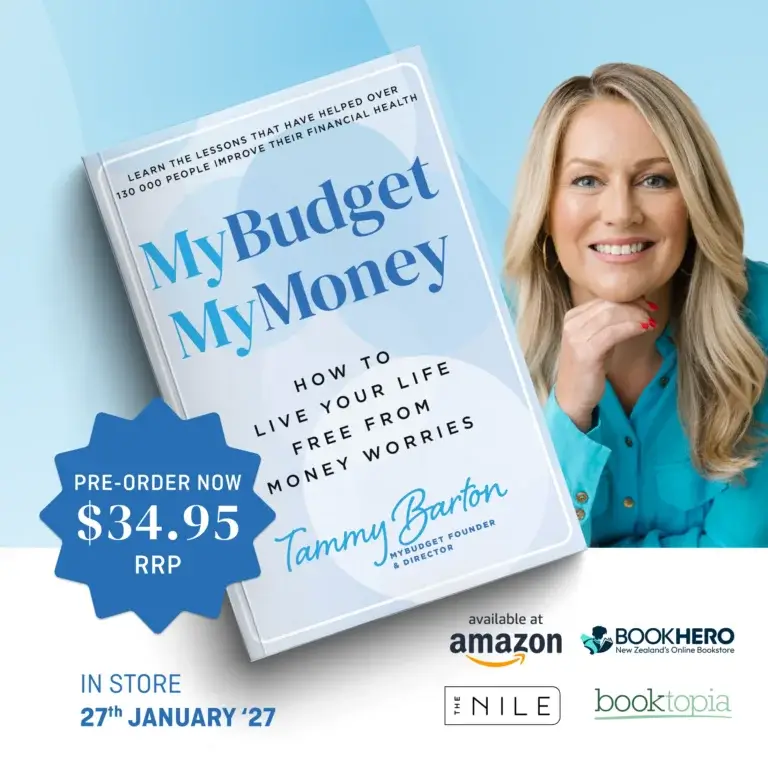
If you have a little room to move and want to work through your finances at your own pace, I wrote MyBudget, MyMoney to help you make a plan for what’s next. I share my own money story, ways to make money conversations easier at home and ideas for teaching your kids about money.
I’ll show you how to plan a year ahead with my Streams Method and work through bigger decisions, from buying a home and making sense of super to caring for ageing parents and preparing for retirement. Each chapter includes a Micro Money Moment, a short exercise you can try straight away.
Heading into 2027, Australians deserve the chance to rebuild savings, reduce debt and make plans with some confidence.
Keeping today’s bills paid should leave us with a future we can still afford.
Your MyBudget appointment and personalised 12-month budget are free. We’ll show you what support could look like and what it would cost before you decide whether to join.
FAQs about Living Costs and Interest Rates
Can’t find what you’re looking for?
See more FAQs…
Australia’s RBA cash rate is 4.85% as at 10 November 2026. The RBA announced a rise of 0.25 percentage points from 4.60% on 3 November, which took effect on 4 November. If you have a variable home loan, check with your lender for your rate, when it changes and what your new repayments will be.
Living costs have risen faster than wages. Over the six years to June 2026, living costs for employee households rose 33.8%, including mortgage interest, while Australian wages rose 20.3%. That gap helps explain why you can be earning more and still have less left after paying the bills. The Price of Survival report.
Yes, it can. When demand is already stretching what the economy can supply, cutting or delaying some government spending can ease pressure on prices. How much it helps depends on what’s cut and when.
With households already feeling the pressure of higher repayments, I want Canberra to look for savings in lower-priority spending while protecting the essential services people rely on.If you think you might miss a payment, contact your lender’s hardship team early. Explain what you can afford and ask what repayment options are available.
If you’re still keeping up but higher repayments are stretching your budget, you can request a free home loan health check with MyBudget Loans. Our team can review your current loan and help you compare rates, fees and total costs to see whether switching could make sense.
This article has been prepared for information purposes only, and does not constitute personal financial advice. The information has been prepared without taking into account your personal objectives, financial situation or needs. Before acting on any information in this article you should consider the appropriateness of the information having regard to your objectives, financial situation and needs.