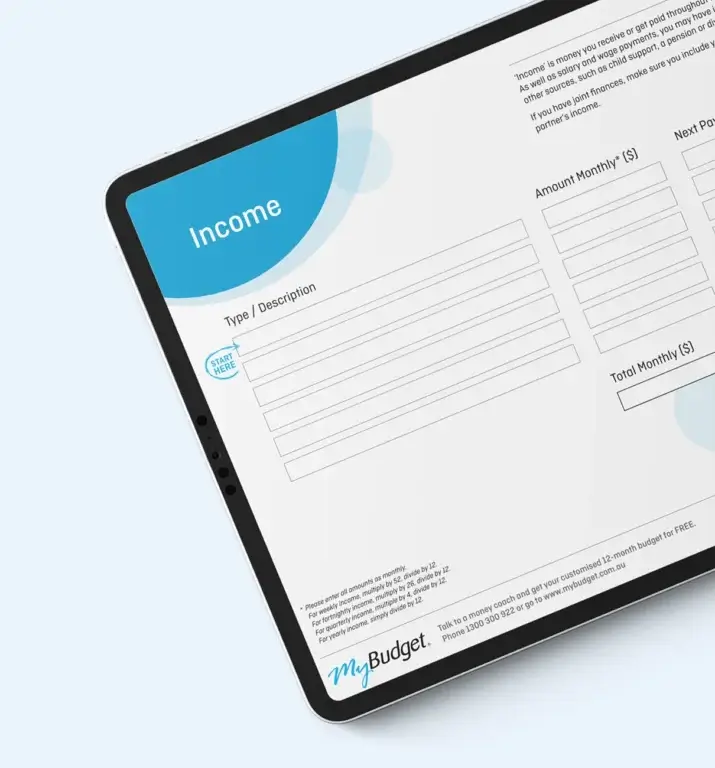

How to set up a budget
6 min read
Personal budgeting helps Australians manage income, expenses, savings and debt in a clear, structured way, so bills are covered, financial stress is reduced and progress toward long-term financial goals feels achievable.

Personal budgeting is the process of understanding and planning how your income is used to cover expenses, savings and debt by making conscious choices to save and spend based on your financial goals. Budgeting creates a clear roadmap for managing money, giving you financial stability and helping you make confident financial decisions.
A personal budget works by tracking income and expenses, then allocating money into clear budget categories. This gives you visibility over what money is coming in and going out, allowing you to set realistic limits, prioritise spending, and plan for both expected and unexpected expenses.
A personal budget typically includes:
When your budget is working well, you can:
With a solid personal budget in place, you can take the next steps toward reaching your financial goals. If you’re ready to put this into action, our step-by-step guide on how to set up a budget shows you exactly how to turn these foundations into a working plan.

Personal budgeting is essential because it gives you a complete view of your finances, empowering you to make smart choices, fast-track long-term goals, and reduce financial stress and uncertainty. Without a budget, it’s easy to overspend, fall behind on bills or rely on credit to cover everyday costs.
Budgeting isn’t about restriction. It’s about understanding your money so you can make choices that align with your priorities.
MyBudget helped us align as a couple. It gave us independence, and a shared path forward.
Erin | MyBudget client
A realistic personal budget includes both essential and discretionary expenses, mapped out over at least 12 months to help prevent surprises during the year. Budget for larger or irregular costs like medical expenses, insurance renewals, school costs or tax-related expenses common for Australian households.
Here are some costs to consider:
Essential expenses:
Discretionary spending:
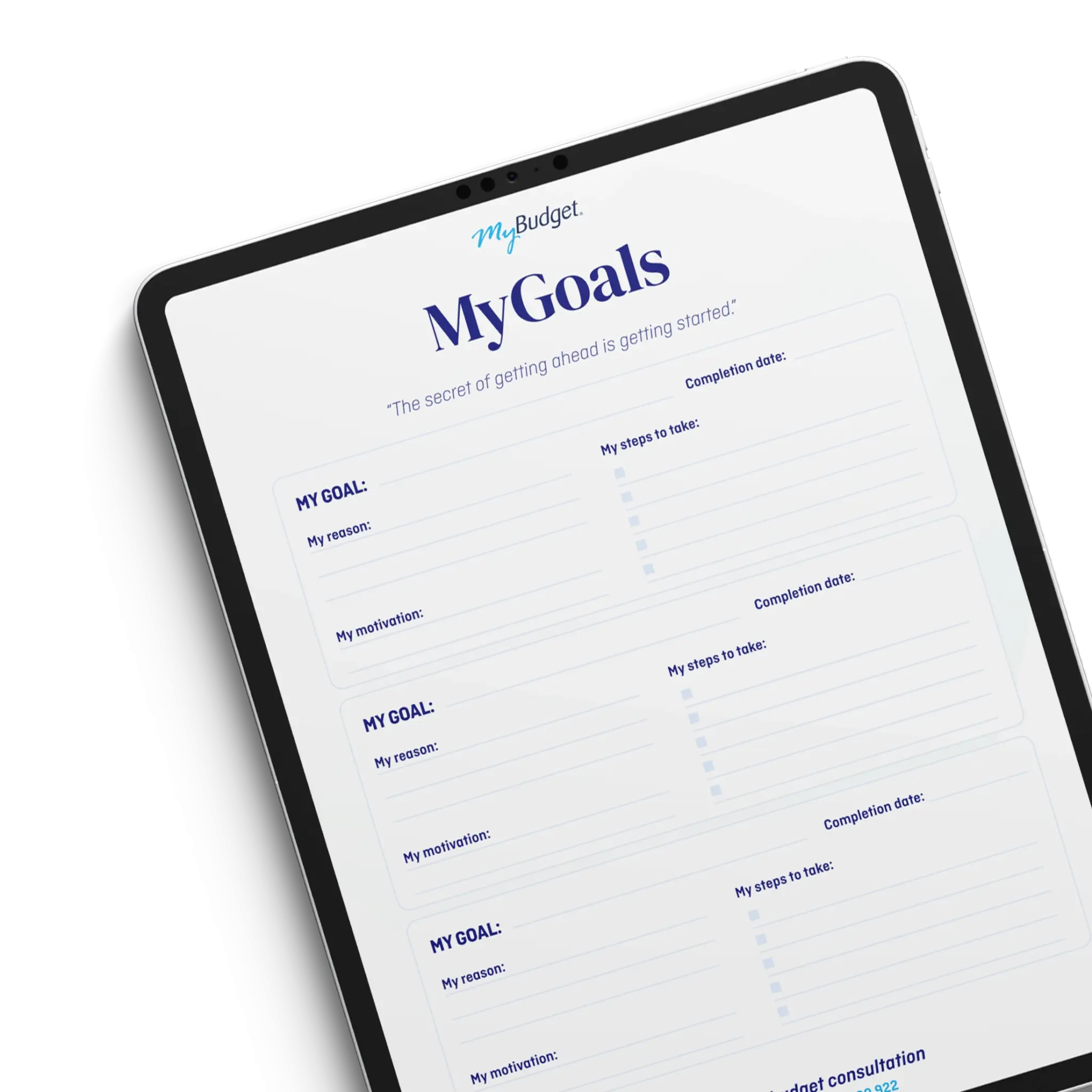
Download our free Personal Budget Template to map out your income, expenses and savings, and start working toward your financial goals.

Every personal budget should include an emergency fund. This is money set aside to cover unexpected expenses such as medical costs, urgent repairs or a sudden loss of income.
A good starting point is to aim for $1,000 to $1,200, then build toward covering three months of essential expenses. Even small, regular contributions make a difference and protect you from relying on credit cards or high-interest loans when the unexpected happens.
Learn how to build an emergency fund with our step by step guide.
Budgeting helps you save money by giving your income a clear job. When essential expenses like rent, bills and groceries are covered first, you can prioritise savings, pay down credit card debt and work toward goals such as an emergency fund, a holiday or retirement. A simple budget plan, supported by a budgeting tool or spreadsheet, helps you track your money and consistently set funds aside so every dollar supports a meaningful financial goal.
Financial goals give your budget direction, purpose and motivation. Without clear goals, budgeting can feel like a chore rather than a tool for progress.
Goals might include:
By linking your budget to specific goals, you can measure progress, stay motivated and make confident decisions about how your money is used.
MyBudget has helped over 130,000 Australians take control of their finances through personalised budgeting and financial coaching. We help you organise your money, pay bills on time, manage debt and grow savings, all within a clear, structured budget plan.
Your personalised budget is planned 12-months in advance, giving you visibility over income, expenses and savings, and supported by caring Money Coaches who help keep you on track.
If you’re ready to reduce financial stress and start working toward your financial goals, you can get started with a free personal budget plan today.
Call 1300 300 922 or enquire online.
Can’t find what you’re looking for?
See more FAQs…
Personal budgeting is the process of creating a plan for your income, expenses, savings and financial goals. It helps you understand where your money is going, make informed spending decisions and prepare for future costs. A personal budget gives you a clearer picture of your finances and helps you work towards goals like saving, reducing debt or building financial security.
Personal budgeting is important because it helps you take control of your money instead of reacting to bills and expenses as they happen. A budget can reduce financial stress, highlight opportunities to save, and help you plan for both everyday costs and longer-term goals.
A personal budget should include your income, regular bills, everyday expenses, debt repayments, savings goals and money set aside for unexpected costs. Including both current expenses and future goals helps you create a realistic plan that reflects your actual financial situation.
You should review your personal budget regularly, such as monthly or whenever your circumstances change. Reviewing your budget helps you adjust for changes in income, expenses or goals, and ensures your plan continues to support your priorities over time.
Yes. MyBudget helps Australians create personalised budgets based on their income, expenses and goals. A Money Coach can help organise your money, plan ahead and create a clearer view of what you can afford, including your bills, savings and future goals.
This article has been prepared for information purposes only, and does not constitute personal financial advice. The information has been prepared without taking into account your personal objectives, financial situation or needs. Before acting on any information in this article you should consider the appropriateness of the information having regard to your objectives, financial situation and needs.