Back
Single parent budget: How to manage on one income
Managing as a single parent on one income is possible, but it takes a realistic single parent budget that accounts for everyday expenses, irregular bills, government payments and unexpected costs.
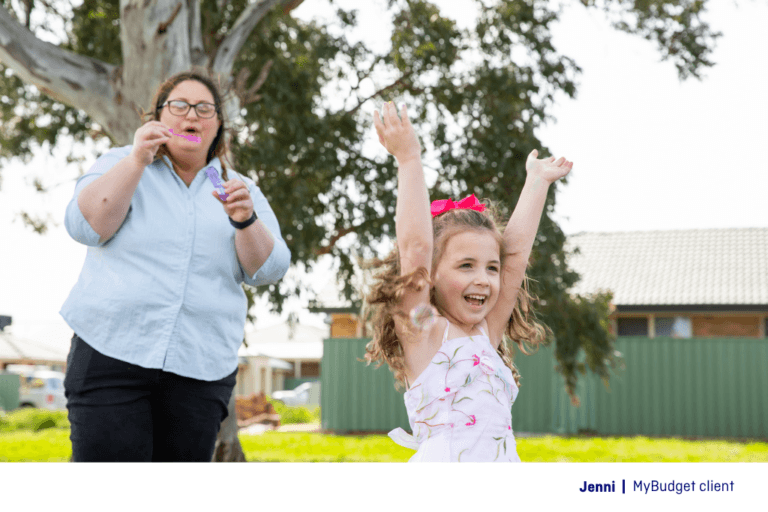
I know because I’m a single mum myself.
With the right structure, you can cover your essentials, build savings over time and reduce some of the financial stress that comes with carrying the household load alone. In this guide, I’ll share the practical single parent budgeting strategies that helped me regain control of my money and feel more confident about my family’s future.
What is a single parent budget?
A single parent budget is a plan for managing your household income, everyday expenses, children’s costs, savings and unexpected bills with one primary income. It gives every dollar a purpose and helps you prepare for upcoming costs instead of constantly reacting when they arrive.
For single parents, a realistic budget also needs to account for income that may vary, including child support, government payments and casual or part-time work. The goal is to create a clear plan that supports your family now while gradually building greater financial stability.
What does being a single parent really look like?
Being a single parent often means carrying the full mental and financial load of running a household. You’re earning the income, paying the bills, keeping the fridge full and raising little, or not-so-little, humans, often while trying to make the numbers work on very little sleep.
I didn’t set out to become an advocate for budgeting. I became one out of necessity.
For years, I managed by finding a way to make things work. But eventually, I realised I couldn’t keep winging it. I needed a realistic plan that would help me pay the rent, cover upcoming bills and build savings that I didn’t have to raid whenever an unexpected expense appeared.
That was when I reached out to MyBudget.
Can single parents use MyBudget? Here’s how they helped me
Yes. MyBudget can help single parents create a realistic budget, plan for upcoming expenses and manage their money with ongoing support.
I became a MyBudget client after a substantial rent increase felt like the final straw. As a single parent, I had always found a way to make things work, but this time I hit a wall. I had reviewed my DIY budget spreadsheet from every angle and still couldn’t see a way forward.
MyBudget worked through my income, expenses, bills and savings goals with me. Together, we created a personalised budget that mapped my finances 12 months ahead, so I could see what was coming and what I could safely afford.
The rent increase didn’t disappear, but the uncertainty around it did. My bills are planned for, my savings are growing and I have built a financial buffer. I no longer feel as though I am constantly catching up or waiting for the next expense to derail me.
Over time, budgeting became less about restriction and more about building habits that now feel automatic. For the first time in years, I feel financially on track and more confident about my family’s future.
My experience is reflected in MyBudget’s wider client results:
93% of clients reported feeling significantly less financially stressed after joining MyBudget.
MyBudget 2026 Financial Wellbeing Report
How many single-parent families are there in Australia?
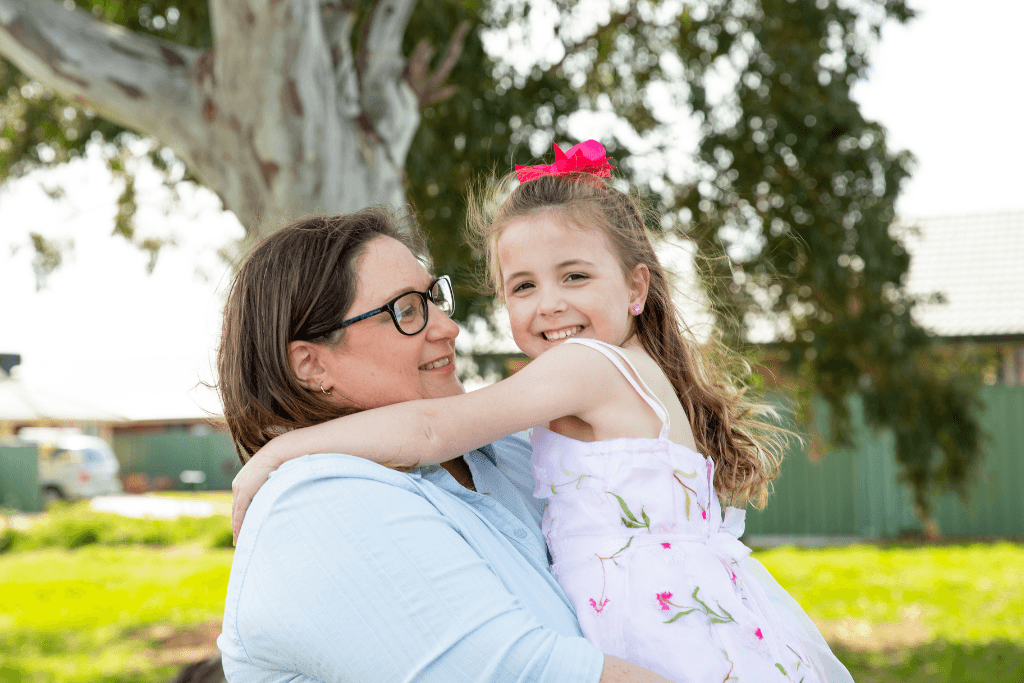
Single-parent families account for 16% of all Australian families. According to the latest Australian Bureau of Statistics data, there were 1.2 million one-parent families in Australia in June 2025, and 77% were headed by single mothers.
This updates the original figures from June 2024. The total and proportion remain the same, but the percentage headed by single mothers has changed from 78% to 77%.
What are the biggest money challenges for single parents?
Managing money as a single parent can be challenging because one person is often responsible for the household income, everyday expenses, children’s needs and unexpected costs. With less room in the budget, even a small change in income or expenses can have a significant impact.
Common financial challenges for single parents include:
- Relying on one primary income to cover the household’s expenses
- Managing irregular child support or government payments
- Balancing paid work with childcare and parenting responsibilities
- Finding time to earn additional income
- Covering unexpected costs without an emergency fund
- Feeling guilty about saying no to children
- Carrying the mental load of every financial decision.
These pressures are real, but a clear budget can make them easier to manage. Planning ahead helps you see where your money needs to go, prepare for irregular expenses and make informed decisions without having to recalculate everything each payday.
How do I create a single parent budget?
Start by listing all the money coming into your household and every expense your family needs to cover. A useful single parent budget should include regular costs, less frequent bills, children’s expenses, savings goals and a buffer for the unexpected.
1. List all sources of income
Include your wages and any other income you regularly receive, such as:
- Parenting Payment
- Family Tax Benefit
- Child Support
- Rent Assistance
- Income from casual work or a side hustle.
If an income source changes from month to month, base your budget on a conservative amount. Treat anything above that as extra money you can allocate to upcoming expenses, savings or debt.
2. Record your regular expenses
List essential household costs, including rent or mortgage repayments, groceries, utilities, transport, insurance, childcare and debt repayments. Review recent bank statements so smaller or irregular expenses are not overlooked.
3. Plan for expenses that are still to come
Include costs that may not occur every payday, such as car registration, school expenses, birthdays, medical appointments and annual insurance premiums. Divide the total cost by the number of paydays before it is due, then set aside that amount regularly.
These amounts are sometimes called sinking funds because you gradually save towards a known future expense instead of paying for it all at once.
4. Build a small emergency buffer
Start with an achievable amount, even if it is only $10 or $20 each payday. A small buffer can help you manage an unexpected expense without relying immediately on a credit card or Buy Now, Pay Later service.
5. Review and adjust your budget regularly
Your budget should change as your family’s income, expenses and priorities change. Review it whenever your rent, government payments, childcare costs or working hours change, and check it regularly to make sure it still reflects real life.
You can use MyBudget’s free Personal Budget Template to organise your income, expenses and savings goals in one place.

How much should a single parent have in savings?
A useful long-term goal is to build an emergency fund covering three months of essential household expenses. This could include your rent or mortgage, groceries, utilities, transport, childcare and necessary medical costs.
However, you do not need to reach that amount immediately. Start with a smaller, achievable target and build from there:
- Save your first $500 for smaller unexpected expenses
- Build that amount to $1,000 for a stronger financial buffer
- Gradually work towards one month of essential expenses
- Continue building towards three months when your budget allows.
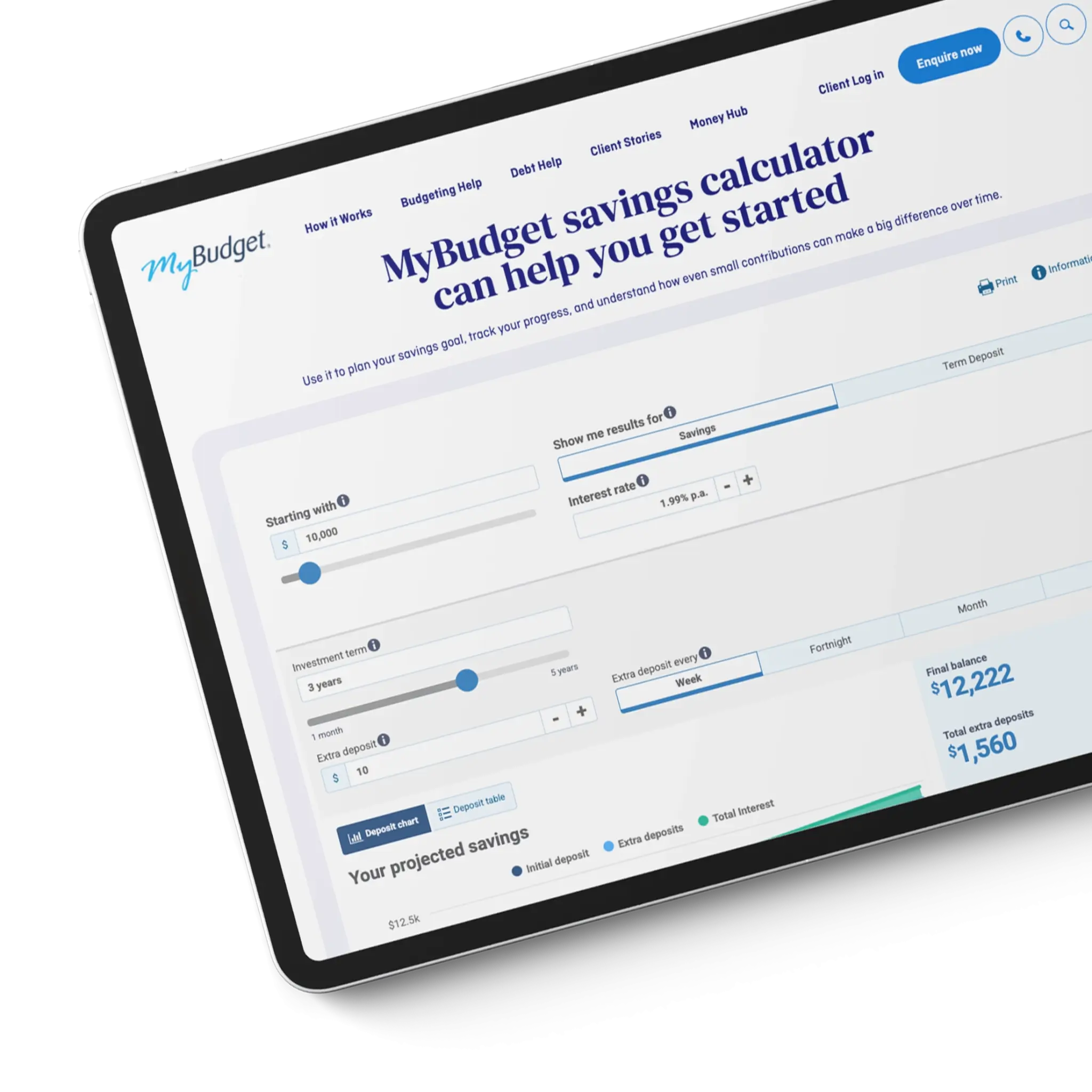
Even $20 a week adds up to more than $1,000 over a year. The amount matters less at first than creating a consistent savings habit.
MyBudget’s client data shows what structured budgeting can help people achieve:
53.3% of clients had more than $1,000 available for emergencies after joining MyBudget, compared with 17.3% beforehand
MyBudget 2026 Financial Wellbeing Report
Use MyBudget’s free Savings Calculator to set your target and work out how much to save each payday.
The three-month emergency fund target is also recommended by ASIC’s Moneysmart.
What are the best budgeting tips for single parents?
Budgeting for single parents should reduce everyday financial pressure without adding more work to an already busy life. Start with one or two changes that feel manageable, then build on them as they become part of your routine.
Adjust your money mindset
Focus on what your income can comfortably support right now. A realistic budget gives you permission to spend on the things that matter while helping you make deliberate choices about what can wait.
Shop second-hand first
Children quickly outgrow clothes, toys and equipment. Check op shops, local community groups and online marketplaces before buying new, particularly for items you may only need temporarily.
Plan simple meals
Choose a handful of affordable meals before you shop and build your grocery list around them. Planning ahead can reduce food waste, limit extra trips to the supermarket and make takeaway less tempting on busy nights.
Download MyBudget’s free Healthy Meal Planning Guide to help organise your meals and shopping list.
Review your subscriptions
Check your bank statements for streaming services, apps and memberships you no longer use regularly. Cancelling even one or two can free up money for bills, savings or family activities.
Read our guide to stopping subscription creep for more ways to find recurring costs hiding in your budget.
Keep backup meals in the freezer
Freeze leftovers in individual portions so you have a quick meal ready when plans change or you are too tired to cook. It can help you avoid an unplanned takeaway order.
Pause before buying
When you are tempted to make a non-essential purchase, leave it in your cart for at least 24 hours. The pause gives you time to check your budget and decide whether you genuinely want it or were simply caught up in the moment.
Automate your savings
Arrange an automatic transfer to savings each payday, even if the amount is small. Treating savings like a regular expense makes it easier to build a buffer consistently.
Use small pockets of spare time
If you choose to complete paid surveys, scan shopping receipts or use cashback programs, check that the provider is reputable and protect your personal information. These activities will not replace an income, but small earnings may add to your savings over time.
Look for genuine discounts
Before buying something you already planned to purchase, compare prices and check the retailer’s website for a legitimate promotion or discount code. A discount only saves you money when the purchase was already included in your budget.
Small changes can make a meaningful difference over time. Choose one strategy to begin with and direct any money you save towards your next bill, emergency fund or financial goal.
What financial help is available for single parents?
Financial support for single parents in Australia may include Centrelink payments, childcare assistance, rent assistance and state-based concessions. Eligibility and payment amounts depend on factors such as your income, assets, children’s ages and care arrangements.
Key payments and concessions to explore include:
- Parenting Payment (Single): Income support for eligible principal carers whose youngest child is under 14. Mutual obligation requirements generally begin once your youngest child turns six.
- Family Tax Benefit: A two-part payment that helps eligible families with the cost of raising children. The amount you receive depends on your family circumstances and income.
- Rent Assistance: An additional payment that may be available if you receive an eligible Centrelink payment and pay rent or certain accommodation costs.
- Child Care Subsidy: Assistance with the cost of approved childcare, based on factors including your family income, circumstances and recognised activity.
- Health Care Cards and concession cards: These may provide access to cheaper medicines, medical services and other concessions.
- State and territory concessions: Depending on where you live, you may qualify for help with energy bills, transport, education expenses or other household costs.
Use the Services Australia Payment Finder to check which payments you may be eligible for and estimate how much you could receive.
Payment rules and rates can change, so check the Services Australia website or contact them directly for information based on your circumstances.
Where can single parents find emotional and financial support?
Support is available for single parents experiencing financial stress, emotional distress, debt or family and domestic violence. The right service will depend on the type of help you need.
- Services Australia social workers: Can connect you with relevant payments, financial assistance, counselling, legal services, housing support and family and domestic violence services.
- National Debt Helpline: Provides free, confidential financial counselling for people experiencing debt or financial hardship. Call 1800 007 007 on weekdays from 9:30 am to 4:30 pm.
- Lifeline: Offers confidential crisis support 24 hours a day. Call 13 11 14, text 0477 13 11 14 or use the online chat service.
- 1800RESPECT: Provides counselling, information and support for people experiencing domestic, family or sexual violence. Call 1800 737 732, text 0458 737 732 or chat online, 24 hours a day.
- MyBudget: Helps people who want a personalised budget, a 12-month view of their finances and ongoing support managing their money.
Financial abuse can include controlling someone’s access to money, withholding income, creating debts in their name or preventing them from working. Read Dana’s story of escaping financial abuse to learn how she rebuilt her financial independence and created a safer future for herself and her children.
Is a budget spreadsheet enough for a single parent?
A budget spreadsheet can be enough if your income is predictable, you regularly update it and you feel confident managing upcoming bills and unexpected expenses. It can help you understand where your money goes, set spending limits and plan your savings.
However, a spreadsheet still relies on you to monitor your money, move funds and adjust the plan when life changes. For a busy single parent already carrying the household’s mental load, that can become difficult to maintain.
| A DIY budget may suit you if… | Extra budgeting support may help if… |
| Your income and expenses are relatively predictable. | Your income, child support or government payments vary. |
| You regularly review and update your budget. | Bills or unexpected costs frequently catch you off guard. |
| Your bills are paid on time. | You are falling behind or relying on credit to cover expenses. |
| You are steadily building savings. | You struggle to save despite having a budget. |
| You feel confident managing everything yourself. | Managing your money is adding to your stress or mental load. |
If you have already tried budgeting apps or spreadsheets and still feel as though you are constantly catching up, personalised support can provide more structure and accountability. MyBudget creates a tailored 12-month budget, plans for bills before they arrive and manages the day-to-day movement of your money. You can still see where your money is going and make decisions about your budget, while MyBudget takes care of much of the ongoing administration.
Ready to feel more in control of your money?
Managing a household on one income can feel overwhelming, but a realistic plan can help you move forward with greater clarity and confidence.
MyBudget has helped me personally, along with more than 130,000 Australians over 25 years. Your first appointment is free and confidential. A Personal Budgeting Specialist will take the time to understand your situation and create a personalised 12-month budget for you to keep, with no obligation to become a client. If you choose to join, there are no lock-in contracts, so you can leave the service at any time.
If you have tried managing everything yourself and still feel as though you are constantly catching up, MyBudget can help you build a plan that works for your family.
Or call 1300 300 922 to book your free appointment.

Single Parent Budget FAQs
Can’t find what you’re looking for?
See more FAQs…
Create a single mum budget by listing all household income, essential expenses, children’s costs, debts and savings goals. Include irregular expenses such as school supplies, car repairs, medical appointments and annual bills. If child support or casual income varies, budget using a conservative amount and review your plan whenever your circumstances change.
A single parent can manage on one income by using a realistic budget, planning ahead for irregular bills and gradually building an emergency fund. Check whether you qualify for government payments or concessions and prioritise essential expenses before discretionary spending. Even small, regular savings can create greater financial security over time.
A single parent budget should include housing, groceries, utilities, transport, childcare, medical costs, insurance, debt repayments and children’s expenses. It should also account for less frequent costs such as school supplies, birthdays, car registration and holidays. Including savings and a miscellaneous buffer can help prevent unexpected expenses from disrupting the household budget.
Financial help for single parents may include Parenting Payment, Family Tax Benefit, Rent Assistance, Child Care Subsidy and state or territory concessions. Eligibility depends on your income, assets, children’s ages and care arrangements. Use the Services Australia Payment Finder to explore available support, or contact the National Debt Helpline if you are experiencing debt or financial hardship.
This article has been prepared for information purposes only, and does not constitute personal financial advice. The information has been prepared without taking into account your personal objectives, financial situation or needs. Before acting on any information in this article you should consider the appropriateness of the information having regard to your objectives, financial situation and needs.