



Back
Spring clean your finances: simple steps to get money back on track

For many Australian households, money pressure is not always caused by a single unexpected expense. It can build gradually through rising bills, payments landing before payday, unused subscriptions and forgotten annual costs.
These 10 spring financial tips will help you identify what is creating pressure, decide what to tackle first and build a practical plan to get your finances back on track.
What is a financial spring clean?
A financial spring clean is a focused review of your budget, spending, recurring payments, debts, savings and financial admin. The aim is to understand where your money is going, remove what no longer works and create a realistic plan for the months ahead.
Set aside an hour, gather your recent bank and credit card statements and work through one area at a time. You do not need to fix everything in one day. Start with the change that could make the biggest difference to your household.
The MyBudget 12-Month Money Pressure Check
Most financial spring cleans focus on what to cut. The MyBudget 12-Month Money Pressure Check starts somewhere different: identify the pattern creating pressure, then choose the first action that matches it. This helps separate a spending issue from a timing, fixed-cost or repayment problem.
Money signal | Do this first | What it helps reveal |
The numbers work, but payday still feels far away | Map the next 90 days of irregular bills and due dates | A timing problem, not necessarily an overspending problem |
You keep cancelling small things but never feel ahead | Find the three biggest pressure points before trimming more | Whether fixed costs, debt repayments or cash flow are driving the strain |
Savings keep being used for bills | Separate true emergencies from predictable annual costs | Which expenses need their own dedicated stream |
Credit is covering groceries, fuel or utilities | List essential costs and minimum repayments, then seek help early | Whether current commitments are crowding out essentials |
Your budget works for one month, then falls apart | Build a rolling 12-month view, not another one-month snapshot | Where seasonal, quarterly and annual costs are landing |
10 Spring financial tips to get your money back on track
If you are wondering how to spring clean your finances, start with visibility, then act on the areas that will make the biggest difference to your household. Use these 10 steps as a checklist and keep the changes that suit your income, commitments and goals.
1. Review your budget and recent transactions
Begin your financial spring clean by reviewing income and spending across every account you use. Review your recent bank and credit card statements, along with any buy now, pay later accounts. Use a bill tracker to note automatic payments and upcoming due dates so you can see your complete financial position, not just the account you use most often..
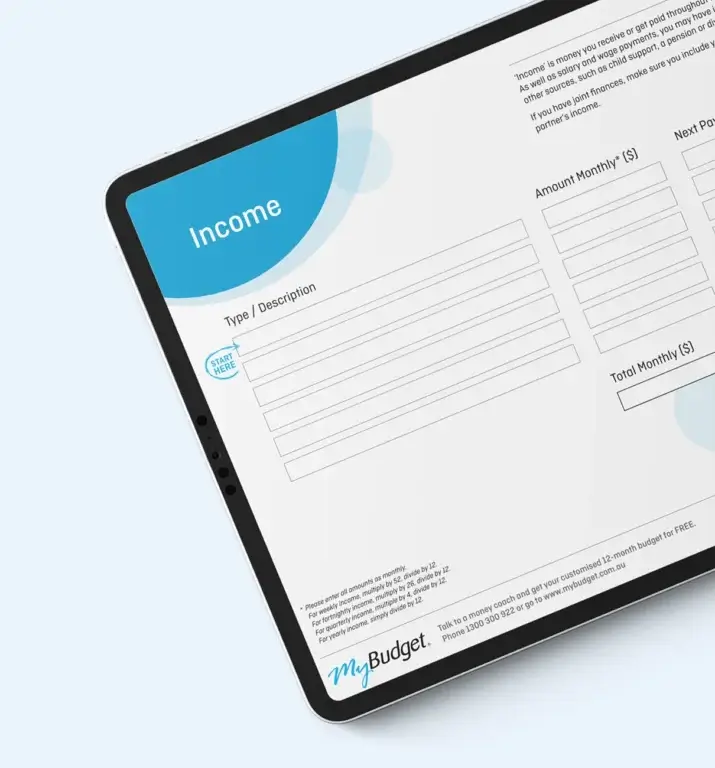
Group your spending into essentials, financial commitments, savings and flexible spending. Look for expenses that have increased, costs you forgot about and irregular bills that may be due soon. MyBudget’s Personal Budget Template can help you organise the figures in one place.
A useful budget is not about cutting everything enjoyable. It is a plan that covers your priorities, reveals the financial habits shaping your results and gives you a clear view of what is available for spending, saving and reducing debt.
2. Audit subscriptions and recurring payments
Audit recurring charges and digital subscriptions to find payments you no longer use or need. Review your transaction history for digital subscriptions, including streaming services, apps, memberships, software, storage plans and free trials that have rolled into paid subscriptions.
For each payment, ask three questions:
- Do I still use it?
- Does it still offer value?
- Is there a cheaper plan that meets the same need?
Cancel what you no longer want, downgrade where appropriate and add renewal dates to your calendar so future price changes do not catch you by surprise.
Be careful not to cancel essential services or insurance without understanding what you may lose. The goal is to remove genuine waste, not useful protection.
3. Check your annual household bills for a better deal
Australian households can face different energy, phone, internet and insurance costs depending on their location, provider and plan. Check each arrangement at least once a year to make sure it still suits your household. Compare the price, inclusions, excesses, contract conditions and service, not just the advertised headline offer.
Keep this step brief if you have already completed a detailed bill review. For a deeper process, use MyBudget’s guide to reducing household expenses and the Get a Better Deal Checklist. That keeps your financial spring clean focused while giving you a dedicated resource for household costs.
Tip: Before switching, check exit fees, waiting periods, lost discounts and whether the replacement cover or service meets your needs.
Alyssa and Pete’s financial resetAustralian MyBudget clients Alyssa and Pete were both working full-time and earning reasonable incomes, but with three children under five, bills and everyday costs were difficult to keep on top of. An unexpected $850 utility bill became the turning point. A personalised MyBudget plan helped them see where their money was going, reduce their reliance on credit, build an emergency fund and cover their monthly expenses with less stress. They later moved to one income and achieved their goal of homeownership. |
4. Make a plan for high-interest debt
Create one complete debt list before deciding which repayment to tackle first. This gives you a single view of what you owe and helps you identify high-interest balances that may need attention first..
Keep making at least the required repayments while you assess your options. You might choose to focus extra money on the highest-interest debt or clear a smaller balance first for momentum. The right approach is one you can afford and sustain.
Debt consolidation can simplify repayments, but it does not automatically reduce the total cost. Compare the new interest rate, fees, loan term and total repayments with your existing debts before making a decision. If repayments are becoming difficult, contact your creditors early or speak to a MyBudget Money Coach to explore your options.
5. Build or top-up your emergency savings
Build an emergency fund for unexpected essential costs so you are less likely to rely on credit when something unplanned happens.
There is no single amount that suits every household. Start with a target that feels achievable, then build it over time. A separate savings account can make the money easier to track and less tempting to spend on everyday purchases.Set up automatic transfers after payday, even if the amount is small. Review them when your income or expenses change. Consistency matters more than trying to reach a large target immediately.
53% of MyBudget clients have $1,000 in emergency savings Source: MyBudget Financial Wellbeing Report 2026; survey of 741 MyBudget clients. |
6. Check your super and important financial paperwork
For many Australians, super is an important part of the long-term financial picture. Review your account and financial paperwork at least once a year so key details and records stay current. Requirements for beneficiary nominations can vary, so confirm the rules and expiry details directly with your fund.
You can use ATO online services through myGov to view super accounts and search for lost super. Before consolidating accounts, check the fees, investment features and insurance cover you could lose, and seek advice if you are unsure.
Use the same session to organise important financial documents. Store currentinsurance policies, loan details, tax records and key contacts securely, and dispose of outdated documents in a way that protects your personal information.
7. Automate savings for your next financial goal
Set a target amount and realistic timeframe for one savings goal that matters now: building a buffer, paying for an annual bill, planning a holiday or saving for a home deposit. Choose a timeframe that fits your budget and current priorities.
Create a separate savings stream and schedule an automatic transfer around your pay cycle. Treating savings like a regular commitment can make progress more consistent and removes the need to decide again each payday.
Check the amount against your budget before automating it. If it makes the rest of your plan too tight, begin lower and increase it later. Use the Savings Calculator to test different contributions and timeframes.
Tammy Barton’s tipLook underneath the spending What looks like a spending problem is not always caused by careless spending. Bills landing between paydays, annual costs that were never mapped and several repayments competing for the same income can make a workable income feel unmanageable. That is why a financial reset should look beyond one month and map what is coming across the year. |
8. Plan meals and reduce avoidable food spending
Plan several meals before shopping to reduce last-minute food spending without removing convenience altogether. The aim is not to remove convenience completely; it is to notice when last-minute decisions are costing more than planned.
Choose several meals before you shop, check what is already in the pantry or freezer and build a list around what you will actually use. Leave room for a flexible night so the plan can adapt when life changes.
Meal planning can also reduce food waste and repeat trips to the shops. If this is a major opportunity in your budget, MyBudget’s Healthy Meal Planning on a Budget Guide offers a more detailed approach.
9. Review your home loan carefully
Review your home loan regularly to check whether its rate, repayments and features still suit your needs. Compare these with your needs and ask your lender whether a more suitable option is available.
A lower advertised rate does not always mean a better overall outcome. Refinancing may involve application, valuation, discharge or other costs, and extending the loan term can increase the total interest paid. Consider the full cost and the features you would gain or lose.
Do not make changes based on a seasonal checklist alone. Consider professional advice if you need help assessing whether refinancing suits your circumstances. MyBudget Loans offers a free home loan health check to help you review your current loan and understand whether it still suits your needs.
10. Set one realistic goal and schedule your next check-in
Finish your financial spring clean by choosing one specific priority for the next three months and deciding the first action you will take. Make it specific enough to track, such as cancelling two unused subscriptions, saving a set amount each payday or paying extra towards one debt. Write down the first action, the amount involved and the date you will review your progress. Turn it into a simple action plan you can follow.
You can use MyBudget’s free Goal Setting Template to turn your goal into clear steps and track your progress.
Then schedule your next money check-in. You can review your plan every few months or whenever your income, household, debts or major expenses change.
When should you get help with your finances?
Get support early if you are missing repayments, using credit for essentials, falling behind on bills or feeling unsure about your options. You do not need to wait until the situation becomes urgent.
If you need free, independent financial counselling in Australia, the National Debt Helpline can help you understand your options and access confidential support. It is an important starting point when you need guidance and cannot pay for a service.
If you want a more tailored service that helps turn a plan into day-to-day action, MyBudget offers a different level of support. We create a personalised 12-month budget around your income, bills, debts and goals, organise upcoming payments, help keep bills and repayments on track, and provide ongoing support as circumstances change.
Rather than leaving you with a budget to manage alone, MyBudget provides the structure, systems and human support to help carry the ongoing money-management load.
Book a free appointment or call us on 1300 300 922 to see what your finances could look like over the next 12 months.
FAQs on Spring Cleaning Your Finances
Can’t find what you’re looking for?
See more FAQs…
During a financial spring clean, check your income, budget, recent transactions, recurring payments, household bills, debts, savings, super and important financial documents. Look for costs that have increased, subscriptions you no longer use, upcoming annual expenses and repayments that are putting pressure on cash flow. Finish by choosing one realistic action and setting a date to review your progress confidently.
Spring clean your finances every three to six months, and whenever your income, housing costs, family circumstances or debt repayments change. Regular reviews help you catch rising expenses, unused subscriptions and upcoming bills before they put pressure on your budget. A short check-in during the year is usually easier and more useful than waiting for one large annual financial overhaul.
Yes. A financial spring clean can help you save money by identifying unused subscriptions, avoidable spending, overpriced services and bills that no longer suit your needs. It can also show where small amounts could be redirected into an emergency fund or savings goal. The amount you save will depend on your household expenses, existing commitments and the changes you can maintain.
Yes. Spring cleaning your finances can support debt reduction by bringing every balance, interest rate, fee and repayment into one clear view. Reviewing expenses, cancelling unused subscriptions and comparing household bills may create room for additional repayments. Prioritise high-interest debt, keep required repayments up to date and contact creditors early if payments are becoming difficult. MyBudget can help you build a structured repayment plan.
Start your financial reset with a plan that fits your life
A financial spring clean is most useful when it leads to one clear next step. Keep the changes manageable, review your progress and adjust the plan when life changes.
If you are ready to get your finances back on track, MyBudget can help you create a personalised budget for your bills, debts, savings and goals.
Or call us on 1300 300 922
This article has been prepared for information purposes only, and does not constitute personal financial advice. The information has been prepared without taking into account your personal objectives, financial situation or needs. Before acting on any information in this article you should consider the appropriateness of the information having regard to your objectives, financial situation and needs.