

Back
What is debt consolidation (and is it right for you?)
Debt consolidation is a way to combine multiple debts into one loan, but whether it is the right choice depends on your financial situation. For some Australians, it can simplify repayments and reduce interest, while for others, a structured personal budget may be a more effective way to get out of debt. The best option comes down to your income, expenses, and ability to manage repayments long term.

Feeling overwhelmed by debt repayments?
Do you feel like a large part of each debt repayment is going towards interest charges? It is easy to feel stuck, especially when multiple debts, rising costs, and unpredictable expenses are all colliding at once.
The truth is, there isn’t one “right” solution. The right path is the one that works for your life, your income, and your spending patterns.
The results can be significant when people have the right plan in place:
95% of surveyed MyBudget clients who previously missed repayments have not missed a repayment since joining MyBudget.*
MyBudget Financial Wellbeing Report, 2026
What is debt consolidation (and what does it mean)?
Debt consolidation is the process of combining multiple separate debts into a single new loan or repayment arrangement. It can simplify repayments by bringing eligible debts together, but the interest rate, fees, loan term and total cost will vary depending on the option you choose. In Australia, debt consolidation is commonly used to combine credit cards, personal loans and buy now pay later (BNPL) debts into one repayment.
Instead of trying to keep track of different lenders, varying interest charges, and fluctuating due dates, you use a new personal loan, credit card, or mortgage refinance to pay off your existing liabilities. This leaves you with a single lender, one interest rate, and one fixed repayment schedule to cover your debts.
People often use a debt consolidation loan to:
- Consolidate credit card debt
- Combine personal loans, store cards, BNPL accounts, and car loans
- Reduce high interest charges
- Simplify debt repayments, manage bills, and explore bill consolidation options to ease cash flow.
How does debt consolidation work?
Can you consolidate debt into one payment?
Yes. The process to consolidate your debt into one payment is straightforward. You combine multiple eligible debts into a single repayment, usually through a new debt consolidation loan with a fixed schedule.
Here is how the process typically works in Australia:
- You apply for a debt consolidation loan through a bank, credit union, or specialist lender
- The lender reviews your credit report, income, day-to-day expenses, and overall affordability
- If approved, the funds from the new loan are used to pay off your old accounts (for example, credit cards, store cards, or personal loans)
- You begin making one regular repayment based on the new term, interest rate, and fees.
What are the two main types of debt consolidation loans?
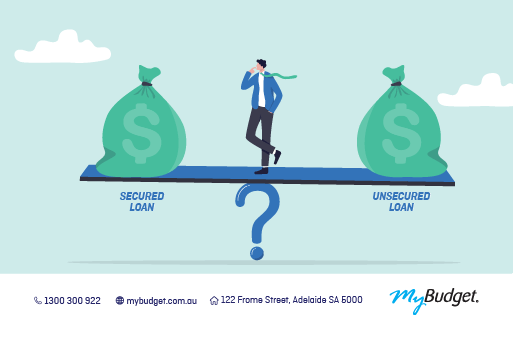
The two main types of debt consolidation loans are secured loans, which require you to put up an asset as collateral, and unsecured loans, which do not require security.
- Secured loan: This is backed by an asset you own, such as your car or home equity. The rates and terms may differ from an unsecured loan, but the asset used as security could be at risk if you cannot meet repayments. Using home equity to consolidate unsecured debts can put your home at risk, so it is important to consider this carefully.
- Unsecured loan: No asset is required. Because the lender is taking on more risk, these loans usually carry higher interest rates, stricter approval rules, and may result in higher monthly repayments.
Which option you are offered, and what it costs, depends on your credit profile, income stability, and ability to meet the new repayment. The right choice ultimately comes down to your financial situation and how much risk you are comfortable taking.
How to consolidate debt successfully: what to look out for
To consolidate debt successfully, the final outcome must genuinely reduce the overall cost of your debt and ease the day-to-day pressure on your household budget. The steps are less important than whether the outcome actually improves your situation.
Before you consolidate, make sure:
- The interest rate is lower: Compare the interest rate, fees, loan term and total cost of the new loan with your existing debts. A lower interest rate or repayment does not automatically mean the overall cost will be lower.
- The total cost is lower: Check the total cost over the life of the loan, including set-up and ongoing account fees. A longer loan term may offer lower repayments, but it can also increase the total amount you pay over time.
- The budget fits comfortably: The new repayment must fit easily within your actual cash flow, leaving plenty of room for everyday living costs
- You have a behavioural plan: You must have a strategy to avoid relying on credit cards or BNPL services again after your old balances are cleared.
In simple terms, consolidation works when it reduces both the cost of your debt and the pressure on your cash flow. If it doesn’t do both, it can set you back rather than move you forward.
If consolidation is the right path for you, working with the right lending support can make a big difference. MyBudget Loans has lending experts who help assess your situation and make the process simpler.
Clients refinancing through MyBudget Loans save on average $10,000 per year in repayments.*
MyBudget Loans
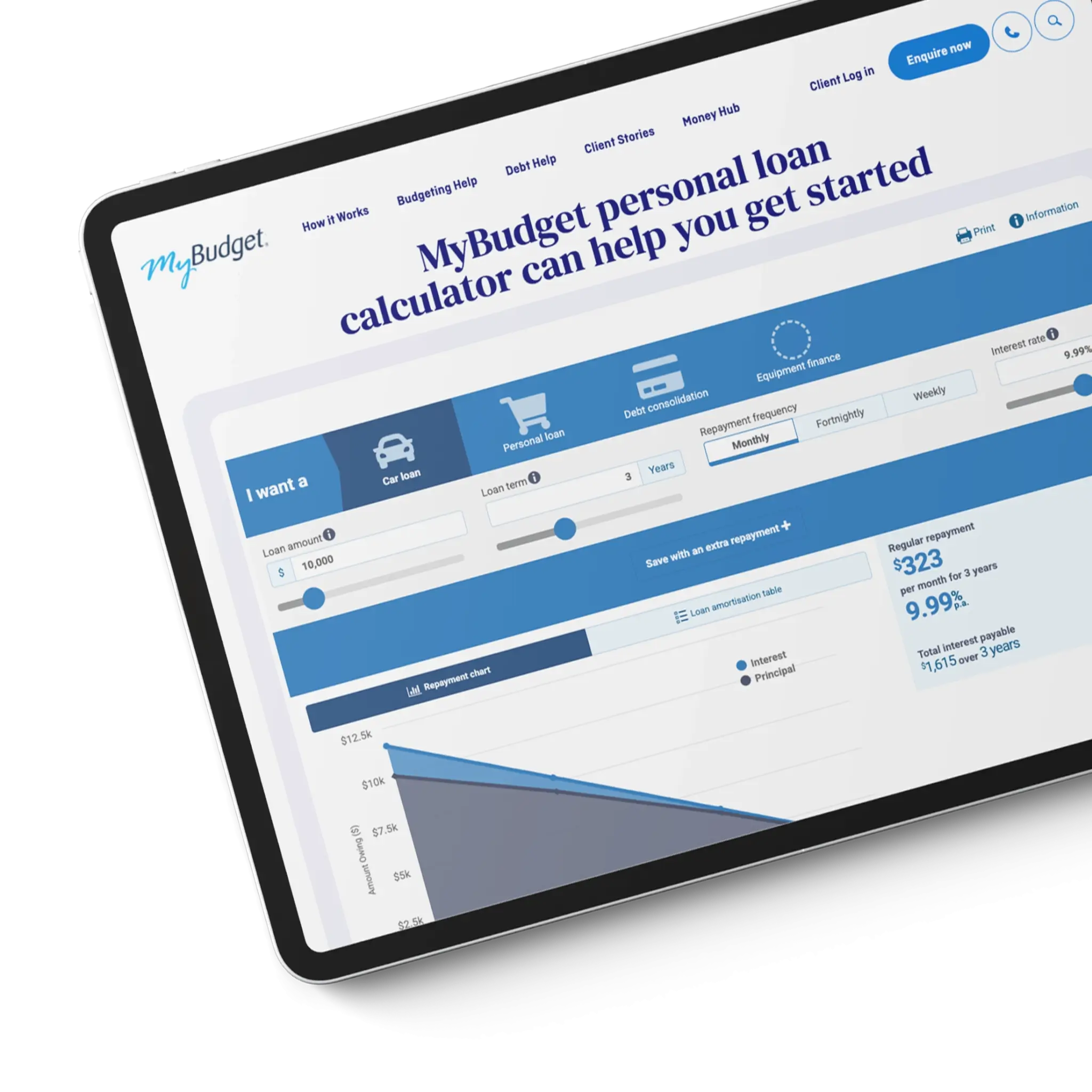
You can use our free Personal Loan & Debt Consolidation Calculator to see what your combined payments could look like.
Is debt consolidation worth it?
Debt consolidation can be worth it if it genuinely improves your financial position. This means the new repayment fits your budget, the total cost of your debt is lower after interest and fees, and you have a plan to avoid relying on credit again.
Whether you call it debt consolidation or loan consolidation, it is not a one-size-fits-all solution. It can simplify multiple repayments into one manageable payment, but it does not automatically provide debt relief or address the reason debt built up in the first place.
If spending habits do not change, it is very easy to fall back into using credit again, leaving you trying to manage the new loan repayments on top of brand-new credit card balances, and if the loan term is extended too far, you can end up paying significantly more interest over time. This is especially true if you are only making minimum credit card repayments, which can increase the true cost of making only minimum repayments over the life of your debt.
If you’re weighing up your options, explore MyBudget’s debt consolidation solutions to see how a personalised plan could work for your situation.
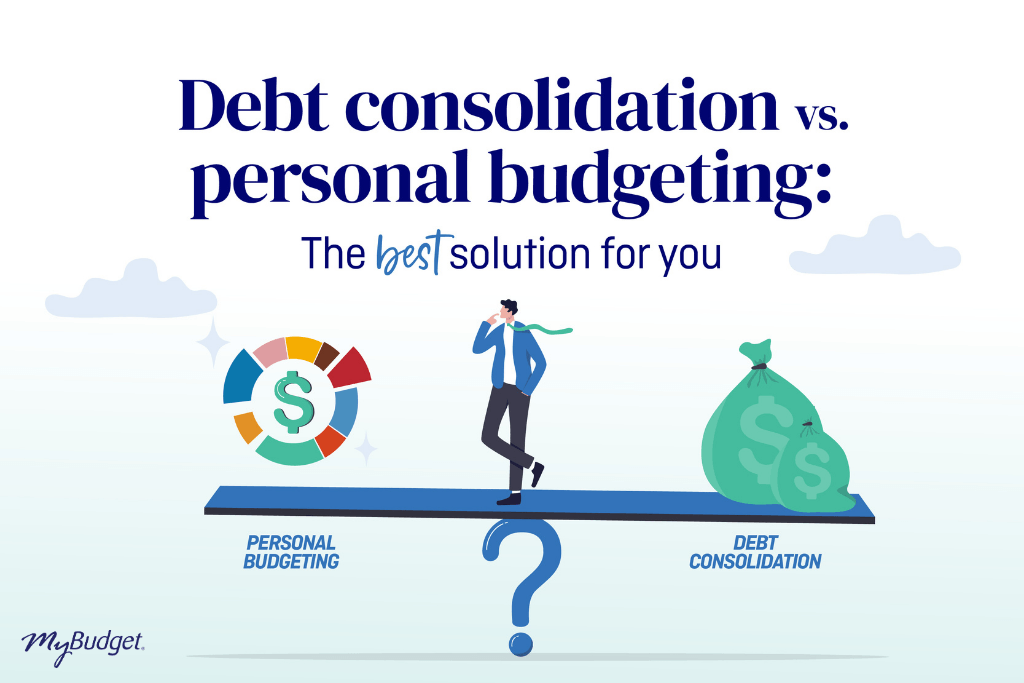
Debt consolidation vs personal budgeting: which actually works?
If you are weighing up debt consolidation vs budgeting, this is where things become clearer. Debt consolidation and personal budgeting solve two very different structural problems:
- Debt consolidation restructures your debt
- Personal budgeting changes how your money is managed day to day.
Here is how they compare side by side:
| Feature | Debt consolidation | Personal budgeting |
| Focus | Restructures existing debt into one loan | Manages income, expenses, and repayments |
| Repayments | One combined loan repayment | Multiple, planned repayments |
| Interest | May reduce, but interest still compounds | No new interest or debt added to your life |
| Risk | Can increase your overall debt if spending habits do not change | No new debt required to start |
| Control | Simpler structure, but still reliant on credit | Full visibility and control over your cash |
| Outcome | Can simplify repayments and improve cash flow for some people | Builds long-term financial stability |
| Best for | Manageable debt with high interest rates | Ongoing cash flow pressure or overspending |
The best solution depends on whether your biggest issue is structure or cash flow pressure.
When debt consolidation makes sense
Debt consolidation can work well when your debt is technically manageable, but messy and expensive. It may be the right fit if:
- You are paying high interest rates across multiple separate debts
- You can comfortably afford your repayments but find the administration disorganised
- A lower interest rate on a new loan will genuinely reduce your total out-of-pocket costs.
When personal budgeting is the better option
Personal budgeting is often the safer and more sustainable option when the issue isn’t just the layout of your debt, but a persistent pressure on your day-to-day cash flow. It may be the better fit if:
- You are already struggling to meet your minimum monthly payments or are falling behind on bills
- Your regular income does not comfortably cover your basic living expenses and your debts
- You find yourself relying on credit cards, overdrafts, or BNPL apps just to make it to your next pay.
What to keep in mind about debt consolidation
Debt consolidation can feel like progress because everything becomes “simpler” on paper. But if the repayment still does not fit your budget, or your spending habits do not change, it can quietly make things worse over time.
A strong budget, on the other hand, might feel slower at the start, but it actually changes your relationship with money and teaches you how to set up a budget that actually lasts.
Over half of surveyed MyBudget clients (51.4%) no longer have a credit card after getting their finances under control.*
MyBudget Financial Wellbeing Report, 2026
Real examples: how these families tackled their debt
Kim & Bob: when debt consolidation created breathing room

When Kim and Bob found themselves facing an unexpected crisis due to serious health challenges and sudden income loss, they were juggling 12 separate debts and struggling to survive. Mainstream lenders declined their application for a debt consolidation loan, leaving them feeling completely stuck and unsure where to turn.
Back in Vanuatu, we only spent the money we had in our hands. In Australia, tapping a card felt like free money, until the banks started calling.
Bob | MyBudget client
Through MyBudget Loans, they were able to consolidate their debts into one manageable repayment and regain control of their finances.
- Their 12 high-interest debts were combined into one manageable loan
- Collection calls stopped and financial pressure eased
- They gained breathing room and a clear path forward.
Within 15 months, we were completely debt-free.
Kim | MyBudget client
The difference: Debt consolidation worked for Kim and Bob because it simplified their repayments and created the structure they needed to move forward with confidence.
Debbie & Alan: when budgeting was the solution

Debbie and Alan were juggling multiple credit cards and personal loans, with repayments that left them financially and emotionally drained. They believed a consolidation loan was their only way out, until their application was declined.
We were scared to answer the phone, we knew it was just another creditor chasing money we didn’t have.
Alan | MyBudget client
For them, consolidation was not the right fit, not because it wouldn’t simplify things, but because the repayments still would not have been affordable based on their regular income and living expenses.
Instead of taking on more debt, they worked with MyBudget to create a structured budget plan and have their creditor negotiations handled professionally on their behalf.
Within a short period:
- Repayments were restructured into amounts they could actually afford each week
- Creditor pressure reduced and some late fees were negotiated down
- Essential living expenses were covered without falling behind
- A savings buffer was built for unexpected costs.
53.3% of surveyed MyBudget clients now have at least $1,000 set aside for emergencies, proving that starting a dedicated emergency savings fund builds true household resilience.*
MyBudget Financial Wellbeing Report, 2026
The difference: Budgeting worked better for Debbie and Alan because it reduced the pressure on their cash flow without adding another loan, giving them a plan they could actually sustain long term.
You can read Debbie and Alan’s success story to see how they cleared their debts and built a real savings buffer without taking on another loan.
So, which debt relief option is right for you?
It comes down to one honest question:
Is your problem the number of debts… or the pressure on your money?
- If it is structure → debt consolidation may help
- If it is cash flow pressure → budgeting is often the better first step.
In many cases, the most effective approach is a combination of both, done in the right order. It is okay if consolidation isn’t the right fit for you. The right plan is simply the one you can actually stick to, and that is what leads to real progress.
What should you do before deciding on debt consolidation?
Before taking out any new loan, take a step back and look at your full financial picture:
- Your income and expenses
- Your total debt and interest rates
- What you can realistically afford to repay.
Because the goal isn’t just to “manage debt”. It is to get out of it, and stay out of it.
Download our free 10 Steps to Get Out of Debt eBook for a step-by-step plan to start tackling what you owe.
What are the alternatives to debt consolidation?
Debt consolidation is not your only option. In some situations, debt consolidation alternatives can be more effective, especially if affordability is the issue rather than the number of repayments.
Depending on your circumstances, alternatives might include a structured personal budget, creditor hardship support or a debt management plan that reduces financial pressure without adding another loan.
Read our guide to alternatives to debt consolidation to compare these options.

How MyBudget can help
At MyBudget, we provide professional debt consolidation help, debt relief and budgeting support to help Australians reduce debt, manage repayments and build financial stability. For over 25 years, we’ve helped more than 130,000 Australians take control of their money.
We can:
- Create a personalised debt repayment plan
- Negotiate with creditors to reduce payments and fees
- Help you understand whether debt consolidation is right for you
- Build a budget that supports long-term financial stability.
92.6% of surveyed MyBudget clients reported that their financial stress reduced significantly after getting their budget plan in place.*
MyBudget Financial Wellbeing Report, 2026
More than anything, we give you clarity. And once you have that, the right decision becomes much easier.
Take control of your debt today
Before jumping into a consolidation loan, make sure it actually improves your situation.
The right plan will reduce money stress, not just reshuffle it.
Ready to find out what options will work best for your life?
Or call 1300 300 922 today to book a free, no-obligation chat with one of our Money Coaches.
* Stats based on a 2026 survey of 741 MyBudget clients.* Average savings figure based on internal MyBudget Loans client data.
Debt Consolidation FAQs
Can’t find what you’re looking for?
See more FAQs…
It may be possible, but approval depends on lender criteria, income, existing debts and affordability. If lending is not suitable, debt help and creditor-negotiation support may be worth exploring.
Some lenders offer joint loans that combine debts into one shared repayment. Both applicants are assessed and each remains responsible for the full balance, so consider whether a joint loan suits your household.
A debt consolidation loan can combine eligible debts into one repayment. Alternatively, a managed budget can organise bills, debts and living costs into a structured payment plan without taking on new debt.
It depends. Debt consolidation may suit manageable debt and stable cash flow; budgeting may be the better starting point where everyday cash flow is under pressure.
Debt consolidation alternatives may include creditor hardship support, repayment arrangements or a personalised budget plan.
Loan consolidation can be worth considering when it reduces overall costs and fits comfortably within your budget. Compare the rate, fees, term and total cost before deciding.
This article has been prepared for information purposes only, and does not constitute personal financial advice. The information has been prepared without taking into account your personal objectives, financial situation or needs. Before acting on any information in this article you should consider the appropriateness of the information having regard to your objectives, financial situation and needs.