

Back
Need rent relief? How to ask for a rent reduction (and when)
Asking for a rent reduction in Australia is possible, but it’s most successful when your lease is ending, the property has unresolved issues, or local rental prices have softened. Landlords are not required to agree, but clear evidence, written requests and early communication improve your chances.
🎧 Prefer to listen? Our hosts discuss this article in a podcast episode, sharing key takeaways on negotiating rent, preparing the conversation, and how MyBudget supports people through financial pressure.
Why are more renters asking for rent relief?
According to Cotality, national rents rose 1.3% in the December 2025 quarter and were up 5.2% over the year. By the end of 2025, the national median weekly rent reached $681, highlighting just how stretched many renters have become. Source: Cotality Quarterly Rental Review, Q4 2025 (released January 2026).
Rent increases have continued to outpace wage growth, meaning many households are spending a larger share of their income just to keep a roof over their head. Source: Australian Bureau of Statistics, Consumer Price Index and Wage Price Index.
With median rent prices continuing to climb and vacancy rates staying painfully low, more Australian tenants are feeling real financial strain. If your circumstances have changed, or your rental property isn’t delivering what you’re paying for, knowing when and how to ask for a rent reduction, and what support options are available, has become increasingly important. This guide explains how to negotiate rent with your landlord or property manager, what rental laws allow, and what to do if rent relief isn’t an option.
A lot of households are stretched thin, even those who’ve never felt like they’ve struggled before. We’re seeing more single parents and younger families struggling to keep up with rising rent and living costs.
Tammy Barton, MyBudget Founder & Director.
Can you ask for a rent reduction in Australia?
Yes, you can ask for a rent reduction in Australia, but a landlord (or rental provider) is not legally required to agree in most situations.
Rent reduction requests are most successful when:
- Your lease is up for renewal
- The rental market conditions have softened locally
- There are unresolved repairs, damage or habitability issues
- The property’s market value no longer matches the rent being charged
Each state and territory has its own tenant laws and local rules under residential tenancy legislation. These laws set out your rights as a tenant and your landlord’s obligations around maintenance, safety and rent increases.
Tenancy laws differ by state and territory
Rental rules are not the same across Australia. Notice periods for rent increases, how often rent can be reviewed, and how repairs must be handled all vary by state and territory. Before requesting a rent reduction, it’s worth checking the guidance provided by your state tenancy authority, such as NSW Fair Trading, Consumer Affairs Victoria or the Residential Tenancies Authority in Queensland, so you understand exactly where you stand.
When asking for a rent reduction is reasonable
“I can’t afford my rent” on its own usually isn’t enough. However, rent adjustment may be warranted in the following situations.
The property has habitability or safety issues
If your rental property has maintenance problems or unsafe conditions that affect your ability to live there, you may have grounds to request temporary rent relief or even a permanent rent reduction.
Common examples include:
- A leaking roof, flooding or storm damage
- A broken hot-water system
- Electrical faults or unsafe wiring
- Mould, asbestos or other health risks
- Ongoing property maintenance failures that haven’t been addressed.
Always document:
- Photos and videos of the damage
- Dates of repair requests
- Written communication with your real estate agent or property manager.
Repairs promised but never completed
If your landlord or estate agent agreed to repairs and failed to act within a reasonable period, this can support a reduction in rent request. The stronger your paper trail, the stronger your negotiation position.
Your lease is ending and market rates have shifted
If your lease renewal is approaching, this can be one of the best times to negotiate a rent reduction. While rents remain high, Q4 in 2025 showed growth has slowed in several capitals, including Sydney (4.2% to 2.9%), Perth (8.1% to 5.9%) and Adelaide (6.5% to 3.4%), improving negotiation conditions for some tenants.
Do your research:
- Compare your rent to similar vacant properties nearby
- Check current market rates on real estate sites like realestate.com.au
- Look at median rent data for your suburb with tools like NSW Rent Check
- Note how long comparable properties are staying vacant.
If local rent prices are lower than what you’re paying, you may be able to justify a rent reduction request based on market value.
What landlords are required to do under rental laws
Before negotiating rent, it helps to understand what landlords are legally required to provide.
In most states and territories, landlords must:
- Maintain the property in a safe and habitable condition
- Carry out urgent repairs within required timeframes
- Ensure essential services such as water, electricity and hot water are working
- Comply with notice periods and rent increase rules set out in tenancy legislation.
If these obligations are not being met, you may have stronger grounds to request temporary rent relief, a reduction in rent, or further action through a tenancy service or tribunal.
When asking for a rent reduction may backfire
There are times when negotiation carries risk, especially in a tight rental market. Cotality data shows national vacancy rates fell to 1.7% by December 2025, down from 2.1% a year earlier, keeping rental competition extremely tight.
Think carefully if:
- Vacancy rates are extremely low in your area
- You are mid-lease with no property issues
- You are not prepared to move if negotiations fail.
Some landlords may respond by declining lease renewal or increasing rent at the end of the agreement. This doesn’t mean you shouldn’t ask, but it’s important to weigh up your priorities before proceeding.
Rent reduction vs rent increases: what’s the difference?
A rent reduction request is different from challenging a rent increase. A rent reduction is usually based on property issues, changes in market value or personal circumstances, while rent increases are governed by strict rules around notice periods, frequency and, in some states, limits on excessive increases.
If you’ve received a rent increase notice and believe it’s unreasonable, you may be able to seek advice or dispute it through your state tenancy authority or tribunal. Understanding this distinction can help you decide the best course of action.
How to ask for a rent reduction
Make your request in writing
All rent reduction requests should be made in writing to your property manager or real estate agent. This creates a clear record of communication and protects both parties.
Your request should:
- Be calm, factual and respectful
- Clearly state the rent reduction you’re seeking
- Explain why it’s reasonable
- Include supporting evidence.
Avoid emotional language or ultimatums. This is a negotiation, not a demand.
Back your request with evidence
Strong applications include:
- Photos of damage or maintenance issues
- Copies of repair requests
- Comparable rental listings
- Market data showing lower rent prices
- Records of previous communication.
If your case relates to financial hardship, focus on facts rather than emotions.
For example, I successfully requested a 12-month rent increase freeze while undergoing chemotherapy and unable to work. I provided medical documentation as evidence and maintained clear, written communication with my landlord throughout the process.
Be prepared to negotiate
Your landlord may:
- Counter with a smaller reduction
- Offer a rent freeze instead
- Request a longer tenancy agreement
- Decline the request entirely.
Continue paying your rent in full while negotiations are underway unless otherwise agreed in writing.
Get any agreement in writing
If a rent reduction or temporary rent relief is approved:
- Keep all emails and documents
- Ensure the rent adjustment is reflected in your tenancy agreement
- Confirm whether the change is temporary or permanent.
This avoids disputes later, including issues that could end up at a tribunal.
What if you’re experiencing financial hardship?
If you’re under genuine financial strain and struggling to keep up with rent, early communication is critical.
Talk to your landlord or property manager early
Start by speaking with your landlord or property manager as soon as possible. In some cases, they may be open to short-term solutions such as a payment plan or temporary rent relief, particularly if you have a strong rental history.
Check what financial support you can access
You may be able to access additional support, including emergency assistance or Centrelink Rent Assistance, which can help ease pressure while you get back on your feet.
Using Centrelink to help manage rent
If you receive a Centrelink benefit, check whether you’re eligible for Rent Assistance, which is designed to help make rent more affordable for people on lower incomes. Some tenants may also choose to have rent paid directly from their Centrelink payment using Centrepay, provided their landlord or real estate agent is registered.
Consider a Centrelink advance carefully
In certain situations, a Centrelink advance payment may be available. This is an interest-free advance on your benefit that’s repaid through smaller fortnightly deductions. While it can help cover overdue rent in the short term, it’s important to make sure you can still afford your ongoing rent while repayments are taken from your payment.
Get tenancy advice before rent falls into arrears
If the situation starts to feel unmanageable, seek advice early before rent falls into arrears. State and territory government websites list available concessions, rebates, grants and cost-of-living support, and services such as your local Tenancy Advice Hotline or state tenancy service can help explain your rights under local rental laws.
Uur guide to building an emergency fund can help you put money aside for unexpected costs, such as medical bills or urgent repairs, so rent doesn’t fall into arrears.
Should you break your lease?
Breaking a lease due to financial hardship is usually a last resort.
Potential costs include:
- Letting fees
- Advertising costs
- Rent until a new tenant is found.
In some cases, exemptions may apply, particularly where there are unsafe conditions or severe hardship. Always seek independent tenancy advice before making this decision.
How budgeting can help protect your tenancy
Rent should always be a top financial priority. If you’re falling behind, a clear budget can help you regain control and reduce stress.
A realistic budget can help you:
- Reorder financial priorities
- Reduce discretionary spending
- Build buffers for irregular expenses
- Plan ahead for rent, bills and essentials.
If you’re experiencing rental stress and unsure what to prioritise, our expert Money Coaches can help you create a clear, realistic plan. Your free appointment is obligation‑free and focused on practical next steps.
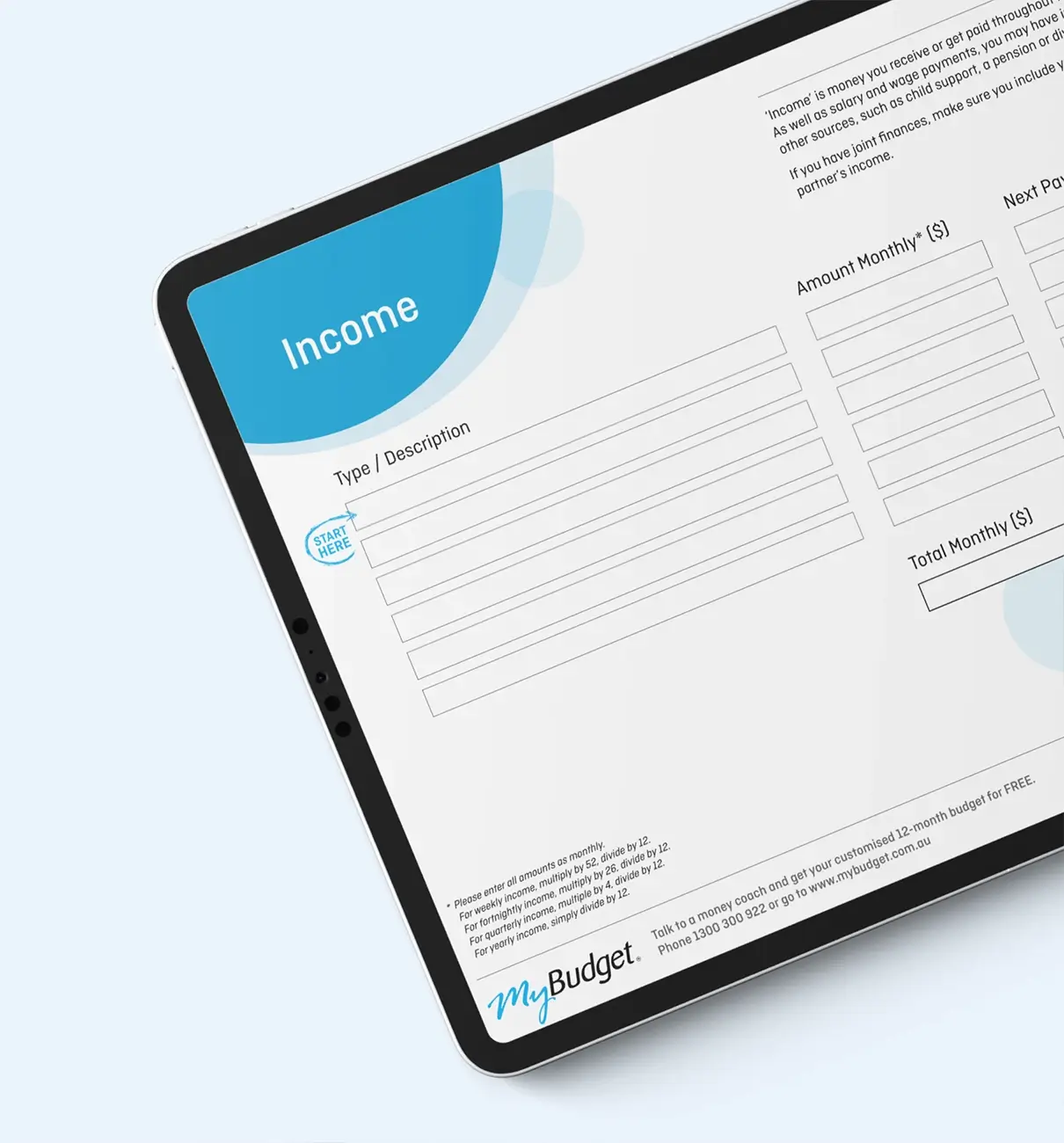
You can also download our free Personal Budget Template to get a clear picture of your income, expenses and financial priorities.
The right Money Tools can make it easier to see where your money is going and identify small changes that help protect your tenancy.
Extra income options if rent has increased
If your rent increase is recent or temporary, consider short-term ways to boost cash flow:
- Share housing arrangements
- Starting a side hustle
- Selling unused items on Marketplace
- Temporary overtime or contract work.
Even small amounts can help you get through a tough period while you regroup.
Help to get ahead with your finances
We know how stressful rising rent can be. For more than 25 years, MyBudget has helped over 130,000 Australians get ahead with their finances and eliminate financial stress, and we’re here to help you get back on track too.
We offer a free, no‑obligation appointment where you’ll receive a personalised budget that gives you clear visibility over your income, expenses and financial priorities, and it’s yours to keep.
Call 1300 300 922 or enquire online to book your free appointment today.
Rent Reduction FAQs
Can’t find what you’re looking for? See more FAQs…
The best time to ask for a rent reduction is when your lease is up for renewal, when there are unresolved repairs or habitability issues, or when local rental market conditions have softened. Requests are generally more successful if you can show evidence that the rent no longer reflects the property’s market value or condition.
Yes. In most cases, landlords are not legally required to agree to a rent reduction. However, they must meet their obligations under tenancy laws, particularly around repairs and safety. If a property is not maintained or is unsafe, you may have stronger grounds to request rent relief or seek further advice.
If you can’t afford your rent, it’s important to act early. Contact your landlord or property manager as soon as possible, explore temporary rent relief or payment plans, and check whether you’re eligible for Centrelink Rent Assistance or other support. Seeking budgeting or tenancy advice early can help you avoid falling into arrears.
It can. Some landlords may choose not to renew a lease, particularly in high-demand rental markets. Before making a request, consider how important it is for you to stay in the property and whether you’re prepared to move if negotiations don’t go your way.
MyBudget helps people take control of their finances by creating a personalised budget, organising their bills and providing day to day money management support. We help reduce financial stress, manage debt, build savings and give clients a clear, structured plan for their financial goals. With over 25 years of experience and more than 130,000 Australians helped, our system provides stability, confidence and long term results.
Your MyBudget journey begins with an initial conversation with one of our Money Coaches. They will chat to you about your financial position and gain an understanding of the financial goals you want to achieve. Once we have this snapshot, we will connect you with your very own Personal Budgeting Specialist. We can arrange a time convenient to you (and your partner where relevant). At that session we create a customised 12-month Personal Budget Plan that is yours to keep for FREE! This budget plan provides you with a detailed understanding of how, together with the support of MyBudget, you can live a life free from money worries and achieve your financial goals.
This article has been prepared for information purposes only, and does not constitute personal financial advice. The information has been prepared without taking into account your personal objectives, financial situation or needs. Before acting on any information in this article you should consider the appropriateness of the information having regard to your objectives, financial situation and needs.