
How to set up a budget
6 min read

According to the latest Animal Medicines Australia 2025 report, Aussies are spending:
That’s thousands of dollars over your pet’s lifetime… we’ve done the maths, and a dog could cost $30,000 to $40,000+ over 12–15 years at average annual spend, and that’s before the unexpected costs kick in.
But here’s the real question… can your budget handle it long-term?
Because it’s not just food and toys. It’s vet bills, emergencies, and those “how did this cost THAT much?” moments. It’s things like pet insurance, veterinary services, and ongoing pet healthcare that really add up.
If you’ve been thinking “it’ll probably be fine”… you’re not the only one. With the cost of living so high, most pet owners feel the squeeze at some point. The good news is, you don’t need to figure this out alone or guess your way through it.
Let’s break it down properly so you can decide with confidence.
Did you know?
73% of Australian households now own a pet.
(Source: Animal Medicines Australia, Pets in Australia 2025)
You can afford a pet if you can comfortably cover weekly costs, routine vet care, and set aside money for emergencies.
If that already feels tight, a pet can quickly become financial stress instead of joy.
If you’re unsure, that’s completely normal. Many Australians want a pet but worry about the ongoing cost. You can take a step back and plan this properly before committing.
This is where a clear budget makes all the difference. So you can say yes to a pet without second guessing it later.
Because once you can see the numbers clearly, you can make a confident decision, not an emotional one.
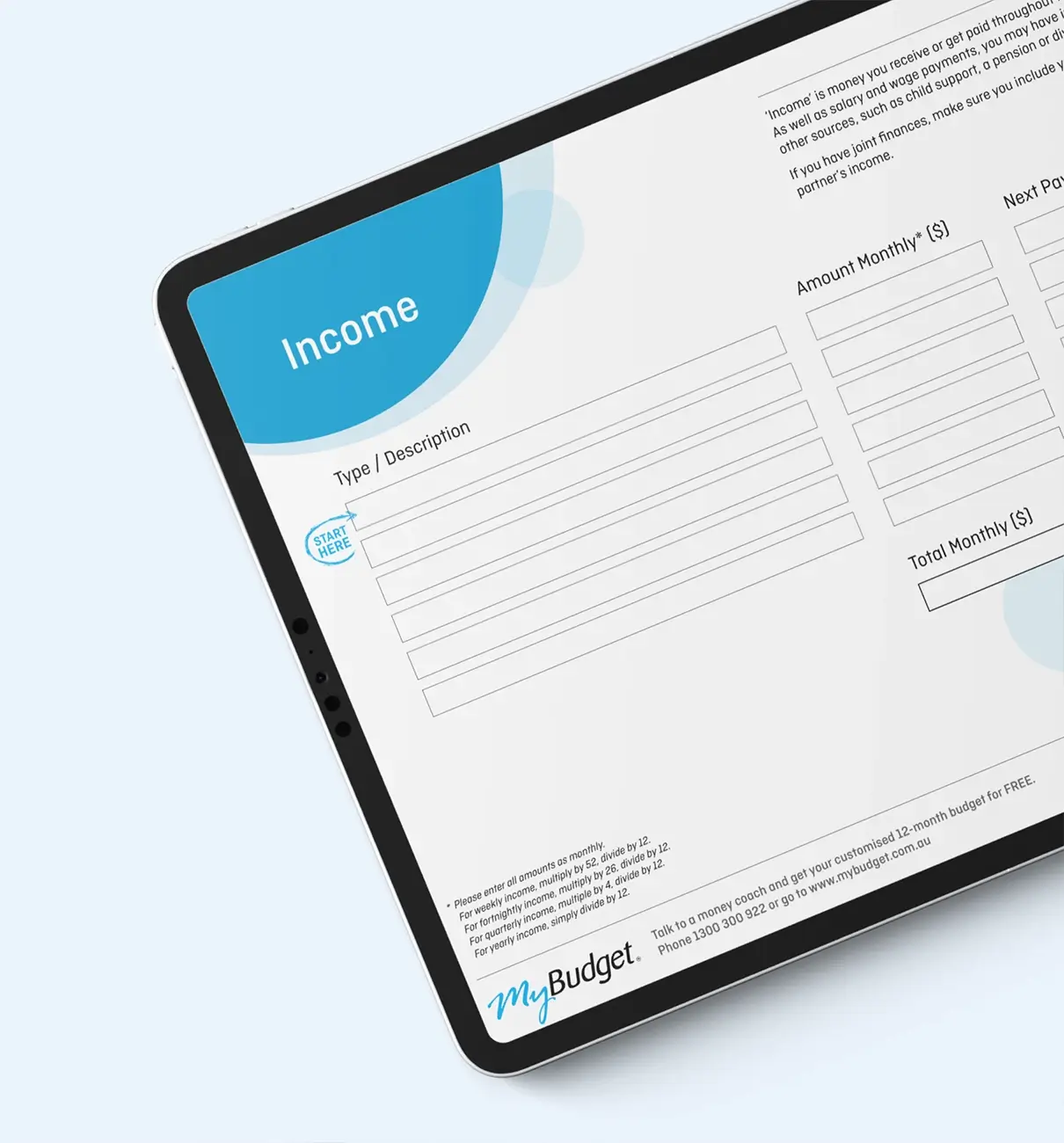
If you’re not sure where to start, here’s a simple guide on how to set up a budget.
On average, owning a pet in Australia costs around $500 to $2,500+ per year, depending on the type of animal.
According to the latest Animal Medicines Australia 2025 report:
So, how much does a dog cost per year in Australia? Around $2,520 on average.
| Pet type | Annual | Monthly | Weekly |
|---|---|---|---|
Dog | $2,520 | $210 | $48 |
Cat | $1,656 | $138 | $32 |
Reptile | $1,319 | $110 | $25 |
Small mammals | $2,095 | $175 | $40 |
Bird | $555 | $46 | $11 |
Fish | $475 | $40 | $9 |
Source: Animal Medicines Australia, Pets in Australia 2025
Did you know?
Over $1,090 a year is spent on dog food alone. That’s around $21 per week just on feeding your pet.
(Source: Animal Medicines Australia, Pets in Australia 2025)
Seeing it weekly makes it feel more real. It’s not “just a dog”… it’s another $50 a week expense in your life.

Try and budget around $200 to $300+ per month for a pet in Australia, depending on the animal and your lifestyle.
Here’s a simple breakdown (this is an example budget to guide you, not a fixed industry standard):
Category | Monthly |
Food (dog food / cat food) | $80 |
Veterinary services fund | $40 |
Pet insurance premiums | $60 |
Grooming & pet supplies | $30 |
Toys & Accessories | $20 |
Pet care (boarding kennels, dog walker, doggy daycare) | $25 |
Emergency fund (accident, illness and routine care) | $40 |
Total | $295 |
It doesn’t need to be perfect. It just needs to exist so nothing catches you off guard.

Upfront pet costs can range from a few hundred to several thousand dollars, depending on how you get your pet and what you need to set up.
The first month is usually the most expensive because you’re setting everything up at once including essentials like food bowls, a dog crate, pet toys, and other puppy essentials checklist items.
Expense | Budget range |
Adoption fees / upfront purchase | $150 to $3,000+ |
Bed / crate | $40 to $250 |
Food starter | $40 to $150 |
Bowls & setup | $20 to $60 |
Collar, ID & council registration | $30 to $100 |
Microchipping | $60 to $100 |
Vaccinations | $100 to $300+ |
Pet toys | $30 to $120 |
Grooming supplies | $30 to $120 |
Animal Medicines Australia (2025) found the average purchase price is around $1,419 for dogs and $419 for cats.
You’re not just buying a pet… you’re setting up their whole little life in one go.
Ongoing pet costs include food, vet care, insurance, and unexpected expenses, and they add up more than most people expect.
Ongoing pet costs fall into three main categories, and this is where people tend to underestimate things.
Type | Examples |
Fixed | Insurance, council registration, pet insurance premiums |
Variable | Food, pet supplies, grooming, training classes |
Unexpected | Vet bills, boarding kennels, pet sitting |
These aren’t monthly, but they are guaranteed:
Spreading these across the year in your budget makes them much easier to manage.
Unexpected pet costs are things like emergency vet bills, illness, or last-minute boarding, and they can quickly blow out your budget.
This is the part most people don’t plan for, and it’s often what causes stress later. Preparing for the “what ifs” now can save a lot of pressure down the track.
Unexpected pet costs are one of the biggest reasons budgets blow out.
Pet | Starter fund | Ideal fund |
Dog | $500 | $1,500 to $3,000 |
Cat | $500 | $1,000 to $2,500 |
Small pets | $300 | $500 to $1,000 |
Think:
They’re not “if”… they’re “when”. Having a buffer makes a huge difference.
Did you know?
69% of Australian households own a pet.
(Source: Animal Medicines Australia, Pets in Australia 2025)

You can save money on pet expenses by planning ahead, doing your research, and setting up small savings buffers.
You don’t need to cut corners, just be smart about where your money goes.
Spend less where it doesn’t matter, and don’t skimp where it does.
Read our full guide of How to save money in Australia for more info.
Pet insurance is worth it if you don’t have savings set aside for unexpected vet bills.
Pet insurance can be worth it if you don’t have savings set aside for emergencies.
If you already have a strong emergency fund, you may prefer to self-fund instead.
There’s no one-size answer, just what works for your situation and your budget.
If you’ve ever thought “I should probably get on top of my money first”… you’re definitely not the only one. Life is busy, and budgeting often falls to the bottom of the list. That’s exactly why having someone guide you through it can make all the difference.
If you’re not sure whether a pet fits into your budget, we can help you map it out properly.
Budgeting for a pet becomes much easier when you can see exactly where your money is going. It’s all part of building a plan that helps you manage your money with confidence.
We’ve helped over 130,000 Australians:
A pet should add joy to your life, not financial stress.
Start a personal budget to plan for your pet costs to see exactly what’s possible.
A pet isn’t just a one-off decision, it’s a financial commitment for years.
The good news? With a clear plan, it’s absolutely doable.
Or call us today on 1300 300 922.

Can’t find what you’re looking for? See more FAQs…
Budget around $30 to $60 per week for a pet in Australia, depending on the type of animal. Dogs typically cost closer to $48 per week, while cats average around $32.
The biggest costs of owning a pet are ongoing expenses like food, veterinary care, and pet insurance. For example, the AMA 2025 report shows dog owners spend around $1,090/year on food, $168 on vet services, and $145 on insurance on average.
Owning a pet in Australia can cost anywhere from $500 to $2,500+ per year, depending on the animal. Dogs tend to be the most expensive, while fish and birds are generally lower cost.
You can get a pet on a budget if you can cover regular expenses and set aside money for emergencies. If your finances are already tight, it’s worth planning first to avoid added financial stress.
This article has been prepared for information purposes only, and does not constitute personal financial advice. The information has been prepared without taking into account your personal objectives, financial situation or needs. Before acting on any information in this article you should consider the appropriateness of the information having regard to your objectives, financial situation and needs.