

Back
Beat a new year credit card debt hangover and start the year financially fit
Starting the new year with a financial hangover? Take control now, build a realistic budget, pay off credit card debt fast, and manage BNPL purchases to kick off the year financially strong.
Recover from credit card debt and start the year strong
It’s a wrap! Decorations might still be lingering, and the leftovers are long gone, but reality is setting in, along with holiday debt and that familiar financial hangover many credit card holders feel after the festive season. If your credit card balance is looking a little worse for wear, or you’re regretting how many Christmas gifts ended up on BNPL… we see you! At MyBudget, we get it, the festive season can add up quickly, and many Australians are waking up with a debt hangover when they’d rather be setting financial goals for the new year.
The good news? It’s not too late to take control and make 2026 your most financially confident year yet. With a few simple steps and systems, you can tackle your debt, get back on track and start the new year feeling financially fit.
Why do so many Australians start the year with a financial hangover?
The latest data from Roy Morgan tells us that more than one in three Australian credit card holders leave part of their credit card debt unpaid each month. That equates to around 2.44 million Australians, or 11% of the adult population, carrying unpaid credit card debt month to month.
Credit cards, debit cards, cash advances and Buy Now, Pay Later (BNPL) services made much of this festive generosity possible, but now those December expenses are showing up on credit card statements, bank accounts and direct debit schedules, and minimum payments might not even be enough to make a dent in your credit card balance. Relatable? Don’t worry, you’re not alone, and we’re here to help you bounce back!
Steps to cure your new year financial hangover
First things first, let’s get you equipped with the tools you need to get out of debt. Download our free 6 steps to get out of credit card debt ebook. Head straight to page 3 and list your outstanding debts.
1. Make a list of all your debts
Before you can tackle your debt, improve your credit score and start meaningful debt recovery, you need to know exactly what you’re dealing with. List all debts, including:
- Credit cards and current balances
- Credit card interest rates and fees
- Credit limits and minimum monthly payments
- BNPL accounts and payment schedules
- Any personal loans linked to holiday spending
- Don’t forget IOUs to friends or family.
Seeing everything in one place can feel uncomfortable, but it’s also empowering and gives you a clearer picture of your financial situation, cash flow and total unsecured debt. It turns vague stress into clear, actionable numbers and gives you options.
Our tip:
Be honest with yourself. Did you overspend this silly season? Take notes about what you’d do differently, and use tools like MyBudget’s Christmas Budget Calculator to plan ahead for next year.
2. Create a realistic budget
A good budget is your best ally when it comes to tackling short-term debt, managing holiday debt and creating a realistic debt payoff plan. Start by:
Identify areas to cut back
Look for ways to reduce spending on dining out, subscriptions, or those unnecessary splurges that add up.
Allocate funds for debt repayment
Decide on a set amount you can dedicate each month toward paying off your debt, reducing interest payments and improving cashflow management.
Pick a repayment method that works for you:
- Debt avalanche (also known as the avalanche technique): start with the highest-interest debts first. It’s the most cost-effective method, saving you the most money in the long run.
- Debt snowball (sometimes called the snowball technique): focus on paying off smaller debts first for quick wins that build momentum.
- Feel-good method: prioritise debts causing the most stress, like personal loans to family or friends, for emotional relief.
Need budgeting help?
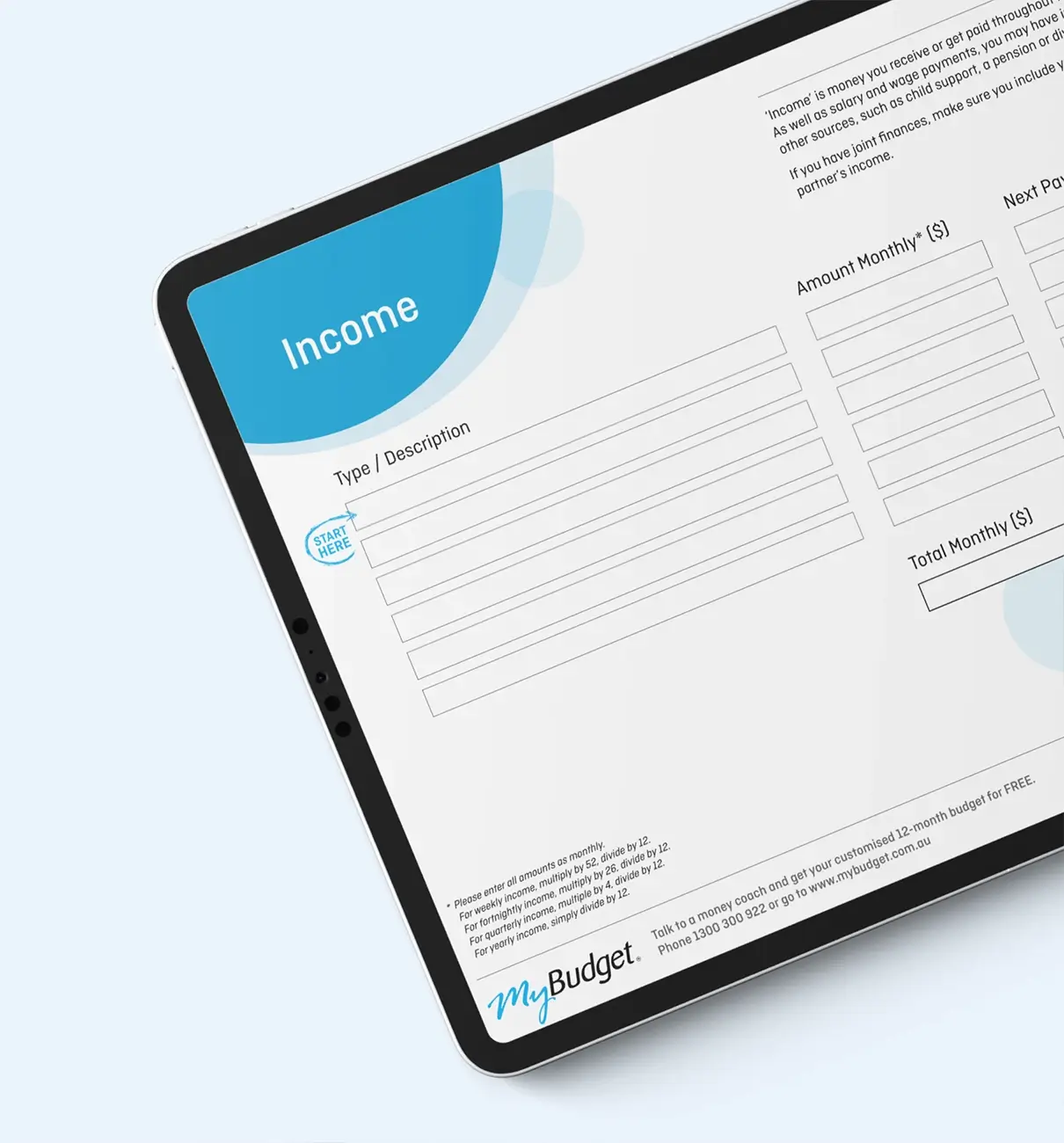
If you’re not sure where to start, MyBudget’s free Personal Budget Template gives you a clear, practical way to map out your income, expenses and repayments in one place.
3. Negotiate with your creditors
Generally, credit card companies won’t hand you a better deal unless you ask, especially when interest rates and credit interest rates are rising. This step is all about working with your creditors to make your debt more manageable. You might be able to:
- Set up a payment plan that suits your budget
- Enter into a financial hardship arrangement for temporary relief
- Negotiate lower interest rates or even have fees waived.
And here’s the good news: according to AFSA, banks and credit card providers are legally required to consider your request if you’re experiencing financial hardship. So, take a deep breath, grab your phone, and channel your inner negotiator.
Here are a few simple scripts to get the conversation started:
Ask for a lower interest rate:
“Hi! I’m struggling to keep up with my repayments. Is there any chance you could lower my interest rate to help me get back on track?”
Request a payment plan or hardship assistance:
“Hello! I’m finding it hard to meet my repayments. Could we set up a manageable payment plan or discuss hardship options you might offer?”
Waive late fees:
“Hi there! I missed a payment recently and was hit with a late fee. Is there any way it could be waived while I work on getting my finances back on track?”
Negotiating can feel daunting, but even small changes, like interest rate reduction, fewer debit and credit card charges or lower interest charges can add up to big savings over time. If you’d like a more comprehensive guide, check out our article on How to negotiate with creditors. And if it feels too overwhelming, our Debt Arrangements Team can take over the creditor negotiations for you.
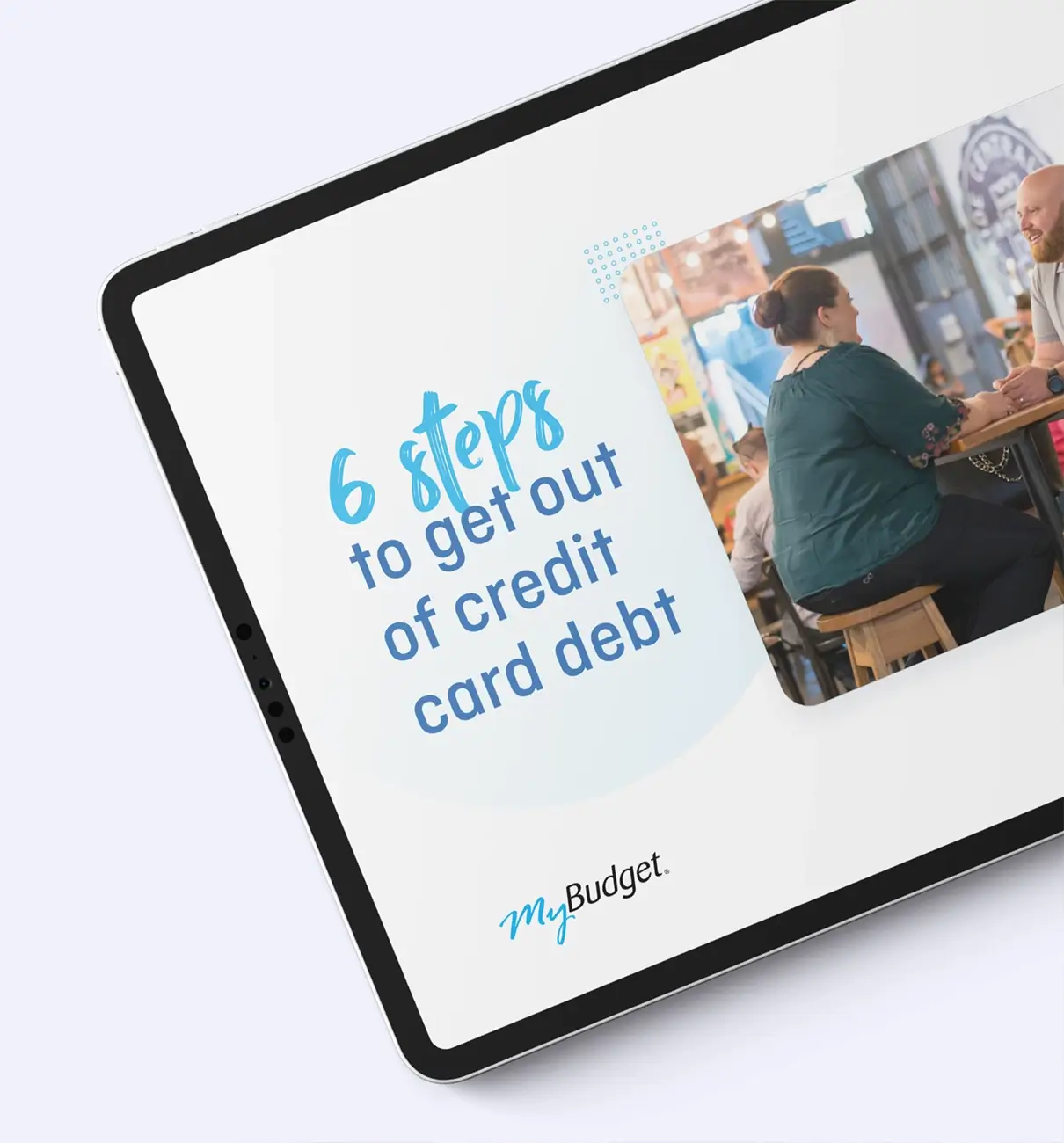
6 Steps to get out of credit card debt
A complete guide with practical debt strategies, consolidation options and simple tools to help you stay debt-free.
Feeling overwhelmed by credit card debt?
Managing your finances doesn’t have to be stressful or fuel financial anxiety. Our Debt Solutions Team is here to guide you every step of the way. Whether you’re tackling debt, exploring debt consolidation services, building a savings plan or planning for life’s milestones, we’ll create a tailored plan that works for you.
Here’s how MyBudget can help:
- Plan ahead with a 12-month view of your income and expenses
- Build a budget that supports your goals and lifestyle
- Automate your finances for stress-free management
- Create a safety net and savings plan to handle the unexpected.
You don’t have to do it alone.
We’re with you every step of the way. Our money experts are just a phone call away to help you achieve your financial goals.
With over 25 years of experience and more than 130,000 Australians supported, MyBudget is here to take the stress out of managing your finances.
Ready to feel confident about your financial future? Enquire online today or call us on 1300 300 922.
Credit card debt FAQs
Can’t find what you’re looking for? More FAQs…
The fastest way to recover from Christmas credit card debt is to get clear on your credit card balances, build a realistic budget, and prioritise high-interest credit card debt first. Combining a structured repayment strategy, such as the Debt Avalanche or Debt Snowball method, with reduced spending helps stop new debt while accelerating debt recovery.
A balance transfer can help after the festive season if it genuinely lowers your interest rate, fits within your budget, and comes with a clear repayment plan that you can afford. Without changes to spending habits and cashflow management, balance transfers can lead to higher debt once interest‑free periods end.
BNPL can affect your finances long term by reducing cashflow, increasing reliance on short‑term debt, and making budgeting harder when multiple payment plans overlap. Used without limits, BNPL can contribute to ongoing financial stress and delayed debt recovery.
Yes. Many Australians pay off credit card debt without a personal loan by using budgeting, prioritised repayments, creditor negotiation and structured debt management support. In many cases, improving cashflow and reducing interest charges is more effective than taking on new debt.
Feeling overwhelmed by credit card debt is common. MyBudget provides personalised help with debt, including credit card repayments, bills and other financial commitments. We’ll explain your options and create a simple repayment plan you can follow with confidence.
This article has been prepared for information purposes only, and does not constitute personal financial advice. The information has been prepared without taking into account your personal objectives, financial situation or needs. Before acting on any information in this article you should consider the appropriateness of the information having regard to your objectives, financial situation and needs.
