
Back
How to get out of debt with a budget: Valerie’s story
Many Australians are dealing with financial stress, rising living expenses and the feeling of drowning in debt. If you’re struggling to pay bills, relying on credit cards, or wondering how to manage money when everything feels out of control, you’re not alone. More importantly, there is a way forward.
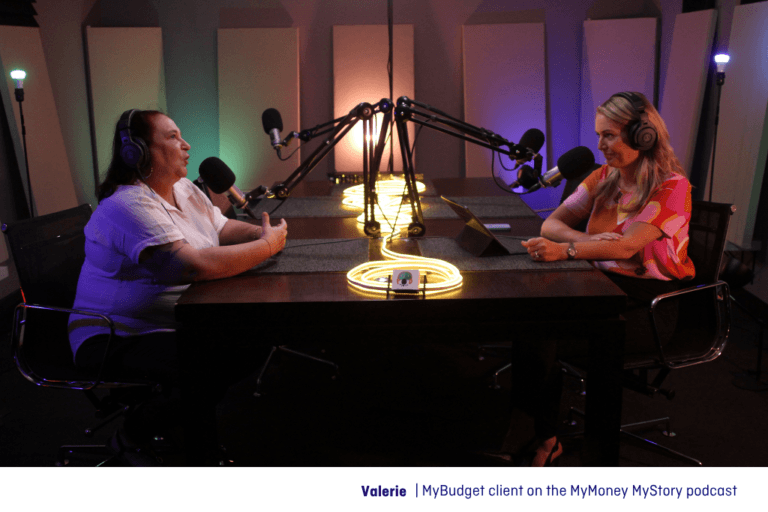
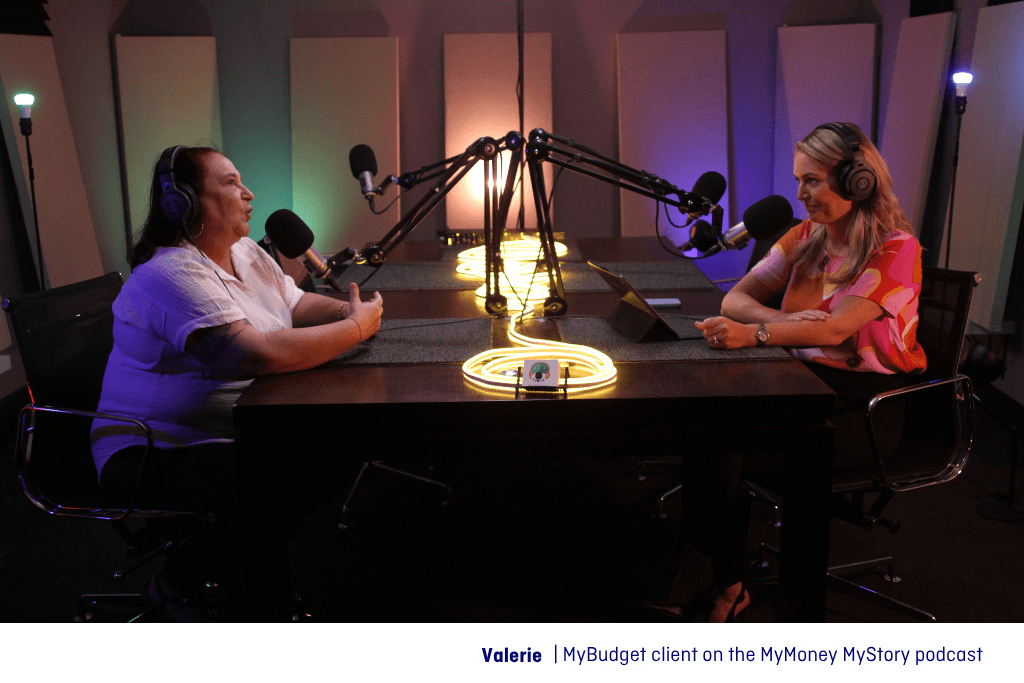
This is Valerie’s story, one of many stories of people getting out of debt, and how a clear budget helped her turn things around. She went from financial hardship, addiction and overwhelming debt to building a budget, reducing her debt, and working towards financial freedom.
If you’re wondering how to start a budget plan or how to get out of debt, her journey shows what’s possible with the right support.
How to get out of debt
Can you get out of debt with a budget?
Yes. A structured budget gives you a clear plan for your money, helps you prioritise repayments, and reduces debt over time by keeping spending under control and payments consistent.If you’re feeling overwhelmed by debt, the good news is there is a way forward. Getting out of debt starts with a clear plan, structure, and consistent action over time.
To get out of debt, focus on:
- Understanding your income and expenses
- Setting up a personal budget plan
- Prioritising high-interest debt
- Making consistent repayments
- Avoiding new debt while you pay it down.
This is exactly what helped Valerie turn her situation around.

Drowning in debt: what to do when everything feels out of control
When Valerie was injured and unable to work, her income dropped significantly. Like many Australians facing financial hardship, her expenses didn’t stop just because her income did.
She was living on reduced WorkCover payments, while still trying to keep up with her mortgage, bills, utilities and everyday living expenses.
“It’s not just physical; it was a mental breakdown… your income’s cut but you still have the same bills.”
As financial pressure built, so did emotional stress. Without a clear financial plan, things spiralled quickly.
This is often the point where many people feel stuck. The bills pile up, high-interest credit card debt grows, and rising interest rates can make it feel impossible to get ahead. It can feel easier to avoid it than face it. If this sounds familiar, here’s what to do when you can’t pay your bills.
What happens when financial stress leads to bigger problems
Valerie’s situation became more complex over time. Financial stress began to impact every area of her life.
- Her relationship broke down
- Her mortgage became harder to manage
- She was refused help from financial institutions
- She turned to gambling as a coping mechanism.
Her income was going towards alcohol, cigarettes and pokies, leaving almost nothing for essentials like food.
“The electricity bill was $3,500 in arrears… water bills about the same.”
This is what unmanaged debt can look like in real life. It’s not just numbers on a spreadsheet, it’s stress, pressure and feeling like there’s no way out.
How to set up a budget to get out of debt
The turning point came when Valerie spoke to someone who had been through MyBudget.
For the first time, she opened up about her finances and got help creating a budget plan that actually worked.
“They showed me the first 12 months… and what it would look like in two years.”
A clear budget changed everything.
Instead of guessing or reacting to bills, Valerie had a structured plan for:
- Covering her monthly expenses
- Managing debt repayments
- Allocating money to essential categories
- Building savings over time.
This is what a real budget does. It gives you visibility and control. If you want to start your own budget plan, check out our guide on How to set up a budget.
Example: simple budget breakdown when getting out of debt
| Category | What to focus on | Why it matters |
|---|---|---|
Income | List all sources (wages, benefits, side income) | Gives you a clear starting point |
Essentials | Rent/mortgage, utilities, food, insurance | Keeps your household running |
Debt repayments | Credit cards, loans, payment plans | Reduces interest and balances faster |
Savings | Emergency fund (even small amounts) | Builds a buffer and reduces reliance on debt |
Discretionary spending | Entertainment, subscriptions | Helps control overspending without feeling restricted |
This is the kind of structure that helped Valerie move from reacting to bills to staying in control of her money.
How to manage money when in debt
Managing money when you’re already in debt can feel impossible. But Valerie’s experience shows it’s about structure, not restriction. If you need support, our debt help service can guide you through a personalised plan.
Her budget helped her:
- Prioritise high-interest debt
- Stay on top of minimum payments
- Avoid further debt accumulation
- Understand her spending habits.
She could finally see where her money was going and make informed decisions.
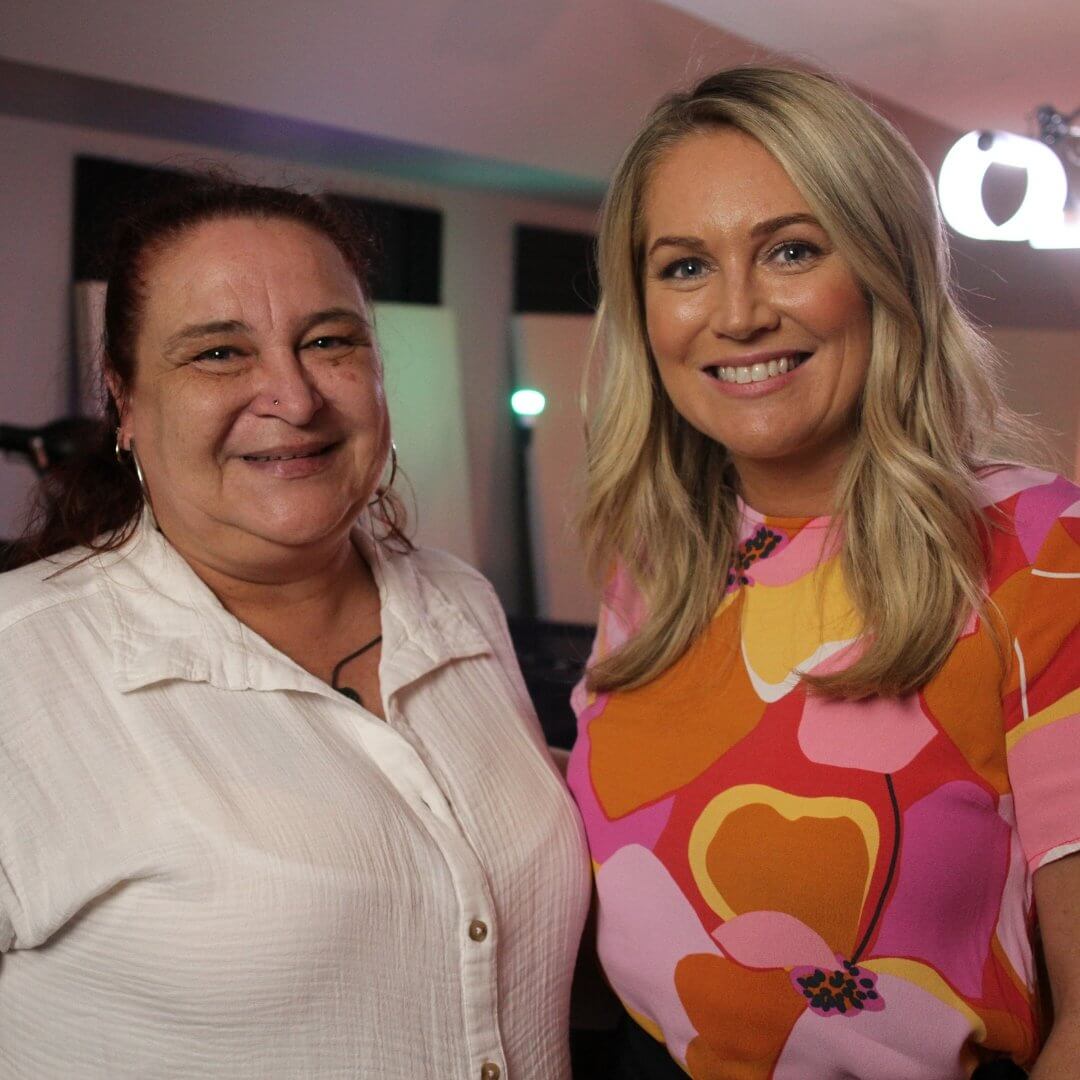
“Walking out of the office, I felt 10 times lighter.”
Paying off debt with a clear plan
What’s the best way to pay off debt?
A structured debt repayment plan that prioritises high-interest debt, keeps payments consistent, and aligns with your budget is the most effective way to reduce debt over time.
With the right support, Valerie was able to implement a debt repayment plan that worked for her situation.
Through refinancing support, she reduced her interest payments and removed her mother as guarantor on her mortgage within 11 months.
She also increased her income by taking on a boarder, helping her manage her mortgage and accelerate her debt reduction.
These are practical steps that can make a real difference when you’re working to pay off debt.
Building better financial habits and long-term goals
A budget is not just about getting out of debt. It’s about changing your relationship with money.
Over time, Valerie was able to:
- Build an emergency fund
- Improve her spending habits
- Stay consistent with her budget
- Start saving for the future.
She went from living day-to-day to planning ahead.
This is how you move from surviving to building long-term financial goals.
Staying motivated and tracking your progress
Staying motivated is one of the biggest challenges when managing debt.
Valerie stayed on track by regularly checking her budget and tracking her progress.
Seeing her debts reduce and her savings grow gave her the confidence to keep going.
What’s the first step if you can’t pay your bills?
Start by facing the situation early. Understand what you owe, prioritise essential payments, and create a plan, whether that’s budgeting, negotiating with creditors, or getting support.
Where Valerie is now
Valerie didn’t just get through a tough period, she rebuilt her life.
She completed a Cert IV in Accounting and Bookkeeping with high grades and is working towards getting back into the workforce in a way that suits her lifestyle.
She’s also made big changes to her health, giving up smoking and focusing on what matters most, including spending time with her granddaughter and being able to enjoy life again without financial stress.
This is what happens when you move from reacting to money… to having a clear plan.
Real life debt success story Australia: what you can learn from Valerie
Valerie’s story is a powerful reminder that no matter how bad things feel, change is possible. Her journey shows that: You can take control of your finances You can reduce and manage debt You can build savings, even after financial hardship The key is having a plan and the right support.
Watch Valerie’s story
Want to see how this looks in real life? Watch Valerie share how she went from financial stress to having a clear plan and feeling back in control.
Watch Valerie share her experience in her own words:
Ready to take control of your finances?
If it feels like you’ve tried everything and nothing is working, or you’re avoiding looking at your accounts because it all feels too much, that’s more common than you think.
What most people don’t have is a clear plan that shows exactly how their bills get paid, how their debt goes down, and how they can start moving forward again.
Most people don’t realise how fixable this actually is.
That’s where things change.
With the right structure and support, you can:
- See your money mapped out ahead of time
- Know your bills are covered
- Have a plan to reduce your debt
- Start building towards your long-term goals.
For over 25 years, MyBudget has helped more than 130,000 Australians move from financial stress to feeling back in control.
If you’re ready to stop guessing and start seeing a way forward, the next step is simply having a conversation.
or call us on 1300 300 922.
FAQs about getting out of debt
Can’t find what you’re looking for? See more FAQs…
The time it takes depends on your income, expenses, and how much debt you have. With a clear budget and consistent repayments, many clients start seeing progress within the first few months.
In most cases, it’s best to do both. Prioritise high-interest debt while also building a small emergency fund to avoid falling back into debt when unexpected expenses arise.
Yes. Budgeting gives you visibility over your money, helps you prioritise repayments, and keeps your spending under control so you can reduce debt faster.
Start small. Look at your income and expenses, understand what you owe, and create a simple plan. If it still feels too much, getting support can help you take control sooner.
This article has been prepared for information purposes only, and does not constitute personal financial advice. The information has been prepared without taking into account your personal objectives, financial situation or needs. Before acting on any information in this article you should consider the appropriateness of the information having regard to your objectives, financial situation and needs.