


Back
Cost of living in Australia: how to get ahead when everything keeps rising
When there’s nothing left to cut, the problem isn’t your spending, it’s the cost of living. What actually helps is a plan that shows what’s coming over the next 12 months and keeps everything covered before bills hit and things fall behind.
🎧 Prefer to listen? Our hosts unpack this blog in a podcast episode, sharing practical ways to manage rising living costs, and how MyBudget helps Australians reduce money stress and get ahead financially.
If it feels like your money disappears as soon as it lands, you’re not imagining it. Rent, groceries, fuel and bills add up fast, and for many Australians it’s no longer about cutting back, it’s about keeping up.
Here’s the part most people don’t realise: it’s not just the cost of living that’s the problem. It’s how your money is structured, timed, and managed day to day.
Did you know?
92.6% of MyBudget clients reduce their financial stress once they have a tailored personal budget and the right support behind them?
That tells us something important. The pressure is real, but it is possible to take back control.
Why the cost of living is so high in Australia (and what it actually feels like)
The cost of living in Australia is high because so many essential expenses are rising at the same time, often outpacing income growth.
Housing, utilities (including power), fuel and groceries are all rising together, and when fuel prices spike, those costs quickly flow through to everyday essentials like food.
Finder shows this pressure clearly, with 77% of Australians feeling financially stressed.
In everyday life, that translates to more of your income going to rent or a mortgage, power and essentials, while groceries and petrol fluctuate week to week, leaving less money left over and more uncertainty to manage.
Did you know?
Before joining MyBudget, more than 82.7% of our clients had less than $500 in savings. Today, that number has dropped to 36.8%.
So while the cost of living hasn’t disappeared, the ability to manage it can change significantly with the right structure and support in place.
Why it feels like you’re doing everything right but still struggling
Even with a budget, many people still struggle because their money isn’t structured in a way that works day to day.
- Bills hit at different times of the month
- Irregular expenses catch you off guard
- There’s no clear view of what’s coming next
- You’re constantly making decisions on the fly.
That creates mental load. And that mental load leads to stress, missed payments, and feeling out of control.
When MyBudget clients put structure around their money, they save an average of 2.14 hours per week on life admin.
That’s time not spent worrying, checking accounts, or juggling payments.
If this sounds familiar, getting help with the cost of living and your budget can take the pressure off faster than trying to fix it on your own.
How to cope with the cost of living in Australia
To cope with the cost of living, focus on your cash flow and essentials, start with these simple steps you can take today to ease the pressure and take control.
- Plan your meals and shop with a list
- Consider food relief if needed
- Cancel unused subscriptions and review insurances
- Negotiate or switch bills and providers
- Reduce energy use where possible
- Use rewards or cashback on essentials
- Explore ways to reduce rent or share costs
- Pay down high-interest debt first.
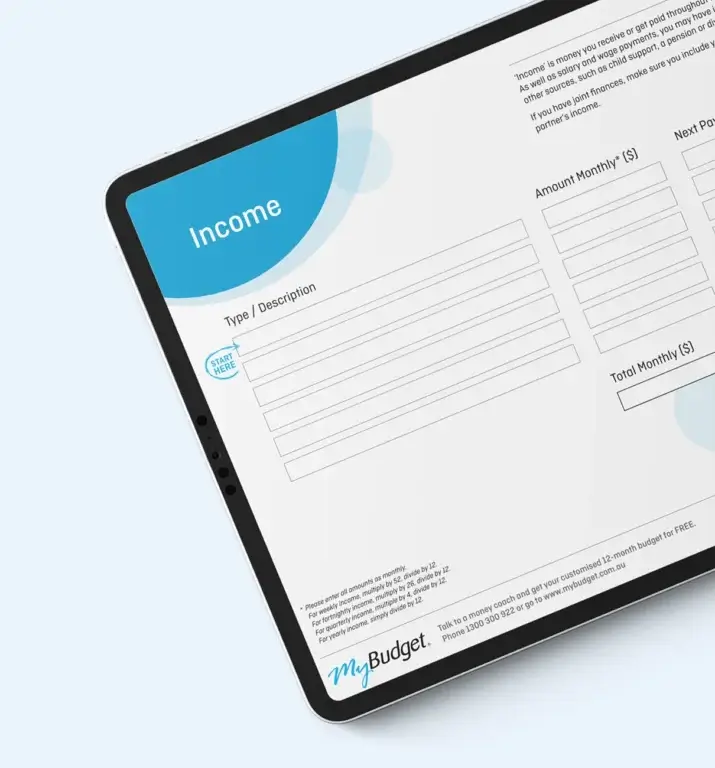
If you’re not sure where to start, use our free Personal Budget Template or learn more about how to set up a budget to map out your income, expenses and upcoming bills in one place and take the guesswork out of it.

How to create a cost of living budget in Australia
To create a cost of living budget, set up a simple, real-life system that organises your income and expenses into something you can follow consistently week to week, not a perfect spreadsheet you never use.
Here’s how to build it:
1. Calculate your total income
Add up your after-tax income, including wages, Centrelink and other income. If money is tight, consider starting a side hustle in 2026.
2. List your essential expenses
Lock in rent or mortgage, utilities, groceries, transport and insurance first.
3. Plan for irregular expenses
Break annual costs into weekly amounts so they don’t catch you off guard. Include things like car registration, medical costs and annual bills.
4. Set spending limits for variable costs
Give yourself realistic weekly amounts for groceries, fuel and lifestyle spending. Check out our guide to finding the best fuel prices near you.
5. Prioritise savings and debt
Direct any extra money toward building an emergency fund or paying down debt like Buy Now Pay Later, credit cards or personal loans.
6. Review your budget weekly
Check in each week and adjust as needed. Consistency matters more than perfection.
With the right structure, you can see exactly what your money is doing over the next 12 months, not just week to week.
Did you know?
95% of MyBudget clients who previously missed repayments haven’t missed one since putting a structured plan in place.
What to do when you’ve tried budgeting and it hasn’t worked
If budgeting hasn’t worked for you, it’s usually because the system relies on you doing everything yourself.
There are generally three paths people take:
Option 1: Free help
Financial counselling services and government support, including the National Debt Hotline and Financial Counselling Australia, provide help in hardship situations.
Option 2: DIY tools
Apps and spreadsheets help track spending, but still rely on you to manage everything. You can compare the best budgeting tools to get ahead with your finances if you’re going down this path.
Option 3: Done-for-you support
This is where MyBudget sits.
Instead of just tracking your money, MyBudget helps manage it with you.
- Bills are planned and paid on time
- Spending is structured
- Debt is actively reduced
- Savings are planned
- Get a clear 12‑month view of your cash flow.
The difference is in the outcomes for MyBudget clients:
- 92.6% reduce financial stress
- 95% stop missing repayments
- Over half no longer rely on credit cards.
Most tools show you what’s happening. Very few help you stay on track when life gets busy. With the right support behind you, your MyBudget plan adjusts as life changes, so you don’t have to keep managing it all on your own.
Is it worth paying for help with the cost of living?
Whether it’s worth paying for help comes down to your situation, but it’s important to look at both sides.
There’s the cost of getting help… and the cost of continuing without it.
Without support, late fees, interest, missed payments and the ongoing mental load can quietly add up over time, often costing far more than people expect.
With the right support, the difference isn’t just financial.
In our latest report, MyBudget clients gain back an average of 2.14 hours per week, or around 4.6 days per year.
That’s time not spent thinking about money, juggling bills or stressing about what’s coming next. It’s the difference between constantly worrying… and finally feeling like it’s handled.
Because when your money is sorted, everything else feels easier.
And importantly, if a tailored personal budget isn’t affordable for your situation, MyBudget won’t go ahead. There’s no obligation, and you’ll still walk away with a clear 12-month plan you can use yourself.
Get help with cost of living in Australia
Getting help with cost of living pressure can make a real difference, especially when things feel stuck.
Our clients consistently report feeling calmer, more in control, and able to switch off at night. Nearly half now experience zero nights disrupted by financial stress.
For over 25 years, MyBudget has helped more than 130,000 Australians manage bills, reduce debt and build savings for better financial health and resilience.
If you’re ready for a clear plan and a bit more breathing room, you can get started with a free, no-obligation appointment.
or call us on 1300 300 922.

FAQs about the cost of living in Australia
Can’t find what you’re looking for? See more FAQs…
To cope with the cost of living, focus on your cash flow, prioritise essentials, and plan ahead for irregular bills. If it still feels tight, structured budgeting support can help you stay on track.
A cost of living budget is a simple system that matches your income to your essential bills, weekly spending and savings. Start by listing your income, locking in essentials, allowing for irregular costs, then setting realistic weekly limits.
Most budgets fail because they don’t account for timing, irregular expenses and real-life spending. Without structure, it can feel like you’re constantly reacting to bills.
Start with areas that don’t impact your day-to-day life too much, like unused subscriptions, expensive plans or impulse spending. Small, consistent changes work better than cutting everything at once.
If you’re falling behind, financial counselling services, government support or speaking with your creditors can help. A tailored personal budget with support can also help you get back in control faster.
This article has been prepared for information purposes only, and does not constitute personal financial advice. The information has been prepared without taking into account your personal objectives, financial situation or needs. Before acting on any information in this article you should consider the appropriateness of the information having regard to your objectives, financial situation and needs.