
Back
Small business EOFY checklist: what to do before tax time
A practical small business EOFY checklist for Australian business owners covering what to review before tax time, from record keeping and super to BAS, payroll and EOFY admin prep.
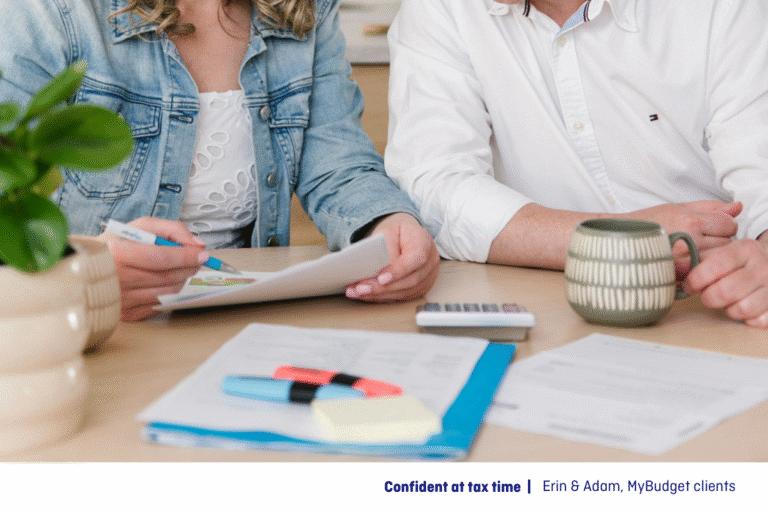
Tax time has a funny habit of sneaking up while you’re still busy actually running the business.
One minute you’re serving customers, chasing invoices, paying suppliers or trying to remember whether that BAS was lodged, and the next it’s EOFY and you’re knee-deep in receipts, spreadsheets and wondering where the year went.
That’s exactly why a practical small business EOFY checklist matters.
This guide is general educational information for Australian small business owners. If tax planning for small business feels overwhelming, this checklist is designed to make the practical side much easier to tackle. Tax obligations can vary significantly depending on whether you’re a sole trader, company, partnership or trust, so always check with the Australian Taxation Office (ATO) or your accountant for advice specific to your circumstances.
Small business EOFY checklist: quick summary
If you just want the fast version, here’s your small business EOFY checklist:
- Reconcile your income and expenses
- Review business expenses that may be tax deductible
- Check super obligations have been paid on time
- Review BAS and GST records
- Assess whether the instant asset write-off applies
- Review payroll and employee obligations
- Check stock or inventory (if relevant)
- Prepare your records for your accountant or tax agent.
What should small business owners do before EOFY?
This is where practical small business tax planning becomes much less overwhelming.
Before EOFY, small business owners should review their financial records, outstanding obligations and business expenses so tax time is less stressful and compliance issues are easier to avoid.
The goal isn’t perfection. It’s getting organised before the panic sets in.
EOFY is a useful financial health check for your business, not just a tax deadline.
Reconcile your business income and expenses
Start with the basics.
Make sure your bookkeeping is up to date and your income and expenses actually match your bank records, invoices and accounting software.
Good record keeping isn’t just about making tax time easier. The ATO expects businesses to keep accurate records that support income, expenses and compliance reporting.
This includes checking:
- Unpaid invoices
- Supplier payments
- Subscription charges
- Business loan repayments
- Duplicated expenses
- Missing receipts.
| Example: Maria runs a small online retail business and realises one monthly software subscription has been charged twice for three months. EOFY is a much better time to spot that than after lodging. |
What business expenses may be tax deductible?
Some business expenses may be tax deductible, but what you can claim depends on your business structure and circumstances.
Common examples may include:
- Accounting software subscriptions
- Office supplies
- Equipment purchases
- Internet or phone expenses used for business
- Professional memberships
- Staff training
- Business travel.
This isn’t a guide to claiming deductions, but EOFY is a good time to review whether expenses have been properly categorised and recorded as the financial year wraps up.
Have you paid super obligations on time?
If you employ staff, EOFY is the time to check super obligations have been paid correctly and by the required deadlines. As of 1 July 2025, the super guarantee rate is 12%, so it’s worth confirming your payroll systems reflect current requirements.
Late super payments can create unnecessary headaches and may not be treated the same way for tax purposes.
| Example: James employs two casual staff and assumes scheduling payment on the due date is enough. His payment clears late, creating a compliance issue that could have been avoided with an earlier review. |
Do you need to review BAS and GST before EOFY?
If your business is registered for GST, your BAS records should line up with your bookkeeping.
EOFY is a smart time to check:
- GST coding accuracy
- Lodged BAS statements
- Missing transactions
- Reconciliations between software and bank records.
Messy BAS data tends to create much bigger clean-up jobs later.
Should your business consider the instant asset write-off?
The instant asset write-off allows eligible small businesses to immediately claim the business portion of certain asset purchases, instead of claiming depreciation over several years.
For the 2024–25 financial year, eligible small businesses may be able to immediately deduct assets costing less than $20,000. The government has also legislated a permanent $20,000 instant asset write-off from the 2025–26 financial year for eligible businesses.
Because eligibility rules can vary, always check current ATO guidance or speak with your accountant before relying on this.
Do you need to review payroll or employee obligations?
If you have employees, EOFY is a good checkpoint for payroll accuracy. If you use Single Touch Payroll, this is also a useful time to ensure your reporting and EOFY finalisation requirements are on track.
Review:
- Wages and salaries
- PAYG withholding
- Leave balances
- Super contributions
- Single Touch Payroll reporting.
Even small payroll mistakes can create unnecessary admin later.
Do you need to review stock or inventory?
If your business holds stock, EOFY may require a stocktake or inventory review.
This helps ensure your records reflect what’s actually on hand, not what your spreadsheet optimistically thinks exists.
What should you prepare for your accountant or tax agent?
A little organisation now can make tax time significantly less painful.
Helpful records may include:
- Profit and loss reports
- Bank statements
- Expense receipts
- Payroll summaries
- Super payment records
- BAS records
- Loan statements
- Asset purchase records
- Stock figures (if relevant).
The more organised you are, the easier those conversations tend to be.
Common EOFY mistakes small business owners make
Common EOFY mistakes include:
- Leaving bookkeeping until the last minute
- Mixing personal and business spending, making record keeping harder
- Assuming every expense is deductible
- Forgetting super deadlines
- Relying on incomplete records
- Ignoring BAS discrepancies.
EOFY stress is often less about tax and more about avoidable admin chaos.
Beyond small business tax time
Reminder: MyBudget does not prepare or lodge tax returns, and we don’t provide budgeting services for businesses.
But if EOFY has highlighted bigger personal money management challenges, getting back to basics with your personal finances may help. You can start with ourPersonal Budgeting 101 guide.
Small business EOFY checklist FAQs
Can’t find what you’re looking for? See more FAQs…
A small business EOFY checklist is a practical list of financial and compliance tasks Australian business owners review before the end of the financial year. This can include reconciling income and expenses, checking super obligations, reviewing BAS and GST records, organising records for your accountant or tax agent and identifying EOFY admin issues before tax time.
Yes. Sole traders can use this small business EOFY checklist, but obligations can differ significantly depending on business structure. Businesses with employees may need to review payroll, super and reporting obligations, while sole traders may have simpler EOFY requirements.
Small businesses should ideally begin EOFY preparation before the end of the financial year, not after. Reviewing records, obligations and outstanding admin early can help reduce stress, improve accuracy and avoid last-minute compliance issues.
Small businesses should keep accurate records such as income statements, expense receipts, bank statements, payroll records, super payment confirmations, BAS records, loan statements and asset purchase documentation. Good record keeping helps reduce errors, improve accuracy and makes EOFY preparation significantly easier.
This article has been prepared for information purposes only, and does not constitute personal financial advice. The information has been prepared without taking into account your personal objectives, financial situation or needs. Before acting on any information in this article you should consider the appropriateness of the information having regard to your objectives, financial situation and needs.