
Back
How to save for a holiday in 2026 (and 15 tips to actually make it happen)

Your step-by-step guide to planning, budgeting and actually hitting your holiday savings goal.
Saving for a holiday sounds simple… until real life, rising cost-of-living pressures, and everyday spending get in the way. Bills pile up, unexpected expenses pop up, and somehow the “holiday fund” never quite grows.
It’s not that you’re bad with money. Most Australians just don’t have a system that makes saving feel automatic and achievable.
The good news? You don’t need to give up everything or live on two-minute noodles. You just need a plan that works with your life, not against it, like starting a personal budget that gives you a clear plan for your money.
In this guide, we’ll show you exactly how to save for a holiday, why most people struggle to get there, and what actually works.
Why do most people struggle to save for a holiday?
Most people struggle to save for a holiday because they don’t have a clear plan or system in place.
Common reasons include:
- No clear savings goal or total budget
- Trying to save “whatever is left over” each week
- Mixing holiday money with everyday spending
- Relying on credit cards instead of saving first
- Losing motivation over time.
Saving becomes easier when you replace guesswork with the structure of a solid budget.
Use MyBudget’s free Personal Budget Template to build your budget and stay on track with your holiday planning.

How much money should I save for a holiday?
To work out your holiday budget, start by mapping out every major travel cost so nothing catches you off guard. Use the table below as a guide to estimate each category, from flights and accommodation to travel insurance and transport, then add it all together to get your total travel costs.
Category | What to include |
|---|---|
Flights | Airfares, baggage, airport fees |
Accommodation | Hotels, hostels, caravan parks, holiday parks |
Food | Meals out, groceries, self-catering |
Transport | Public transport, car hire, petrol |
Activities | Tours, attractions, experiences |
Insurance | Travel insurance cover |
Extras | Exchange rates, ATM fees, visas, passports |
Buffer | Emergency fund for unexpected costs |
Once you calculate your total, divide it by the number of weeks or months until your trip. This gives you a clear weekly savings target. Don’t overthink the numbers, rough estimates are enough to get started.
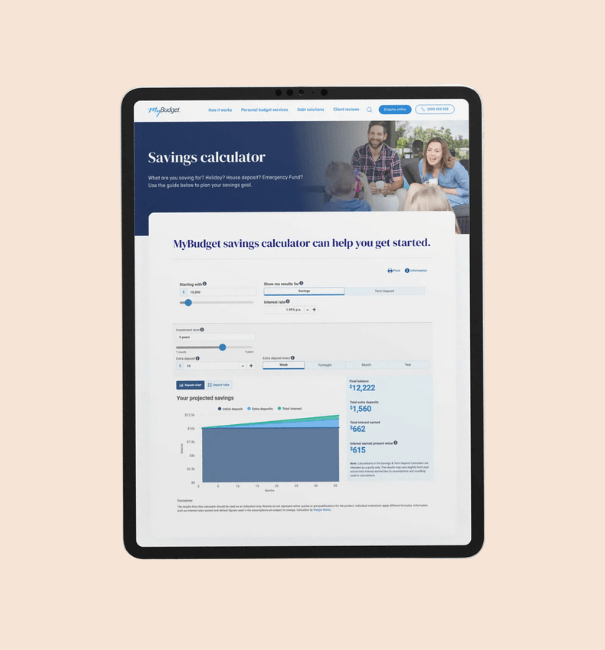
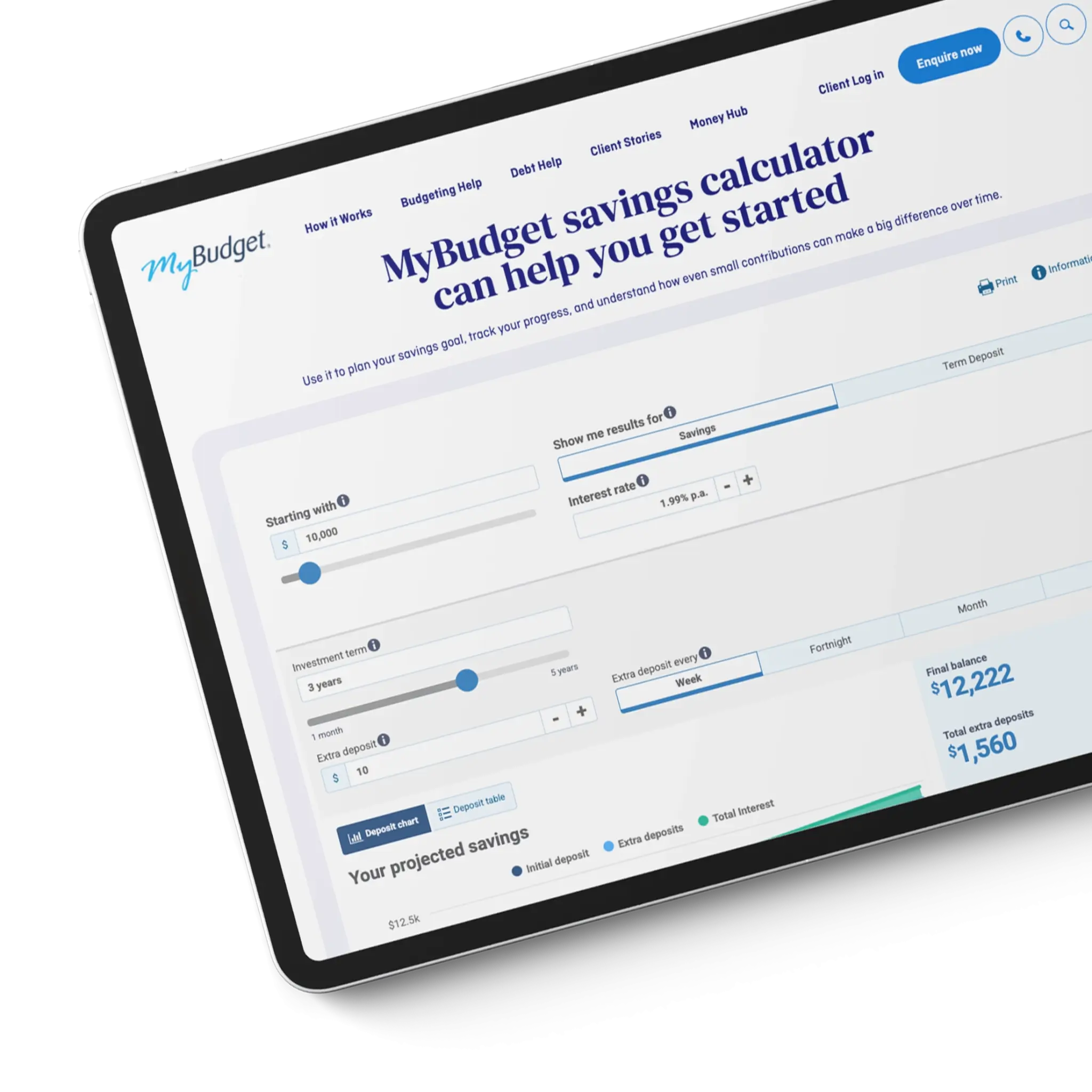
Use our free Savings Calculator to map out your exact travel costs and reach your money savings goals.
How do I create a holiday savings plan that actually works?
A holiday savings plan works when it’s simple, realistic and consistent.
Start with your destination, whether it’s Bali, New Zealand, South East Asia or a bigger holiday like a Euro trip, set your travel date, and estimate your total costs. From there, break it down into a weekly or monthly savings target and keep it in a separate holiday account so you can track your progress.
The simpler the plan, the more likely you are to stick to it.
What is the easiest way to save money for a holiday?
The easiest way to save for a holiday is to automate it. Set up a dedicated savings account or high interest savings account and organise automatic transfers each payday. This removes the need to think about it and your savings grow in the background.
You can also use round-up savings, where small amounts are added to your savings every time you spend.
Should I open a separate savings account for my holiday?
Yes, a separate savings account helps you stay on track. It keeps your holiday money separate from everyday spending, reduces the temptation to dip into it, and makes it easier to see your progress grow over time.
Naming your account something fun can also make it feel more real.
When is the best time to book flights and accommodation to save money?
Booking early and travelling off-peak usually leads to the biggest savings. Aim to book flights 3 to 6 months in advance, avoid school holidays, and look at mid-week or late-night options.
Using comparison websites and looking for accommodation deals on hotels, hostels or Airbnb can also help reduce your overall holiday costs.
How can I save for a holiday without going into debt?
The best way to avoid holiday debt is to start with a realistic budget and save before you spend. A clear budget shows your total trip cost, your weekly savings target, and what’s actually affordable.
Without that structure, it’s easy to rely on credit to fill the gap.
Using credit cards can lead to:
- Interest charges
- Higher overall travel costs
- Financial stress when you return.
A budget-first, savings-first approach means your holiday is already paid for before you go. You’re not relying on credit, and you’re not coming home to a bill that drags on for months.
It also makes the next holiday possible, because you’re not still paying off the last one.

What are fun or creative ways to boost my holiday savings?
There are plenty of money-saving tips and budgeting hacks you can use to boost your savings without feeling restricted. Selling unused items through a garage sale, picking up a small side hustle, using reward points, or even cutting things like gym memberships or TV subscriptions can all make a difference.
Small boosts can add up faster than you think.
Should I consider travelling locally or off-peak to save money?
Yes, travelling locally or off-peak can significantly reduce travel costs, whether you’re planning local trips, staying in holiday parks, or exploring local markets and free walking tours. You’ll often find cheaper accommodation, lower activity prices, and more flexibility with bookings.
A local getaway can still feel like a dream holiday without the price tag.
How do I stay motivated while saving for a holiday?
Staying motivated comes down to keeping your goal visible, whether it’s your dream getaway, an adventure like white water rafting or sky diving, or simply relaxing by the beach. Track your progress, celebrate small milestones, and keep reminders of your destination nearby.
Seeing your savings grow makes the goal feel real and keeps the momentum going.
15 smart ways to save for a holiday faster
If you want to accelerate your holiday savings, these simple saving strategies can make a big difference:
- Automate your savings each payday
- Open a dedicated holiday savings account
- Cut unused subscriptions and reduce everyday spending
- Swap takeaway for meal planning
- Use round-up savings tools
- Sell items you no longer use
- Start a small side hustle
- Use reward points or cashback offers
- Travel off-peak
- Book flights early
- Choose budget-friendly accommodation or look for package deals
- Pack carry-on or hand luggage only to avoid baggage fees
- Use public transport instead of taxis or Ubers
- Look for free or low-cost activities like museums, local eateries or city centre attractions
- Set weekly savings targets and track them.
You don’t need to do all of them. Even a few can fast-track your holiday fund.
How can MyBudget help me save for a holiday?
Saving for a holiday is easier when you have a clear plan and someone keeping you accountable.
MyBudget helps you create a realistic savings plan, stay on top of bills, and build savings without sacrificing your lifestyle. You’ll also get a clear 12-month view of your finances so you can see exactly how your holiday fits in.
We’ve helped over 130,000 Australians reduce money stress and reach their goals faster.
or call us today on 1300 300 922 to book your free personal budgeting appointment with one of our expert Money Coaches.

FAQs for saving for a holiday
Can’t find what you’re looking for? See more FAQs…
Start by estimating your total holiday costs, including flights, accommodation, food, transport and travel insurance. Add a small buffer for unexpected expenses, then divide the total by the weeks until your trip to set a realistic weekly savings target you can stick to.
Choose your destination, set a clear budget and travel date, then break the total into weekly or monthly savings. Use a dedicated savings account and track your progress so your holiday savings plan stays simple, visible and consistent.
Automate your savings into a separate or high interest savings account. Setting up regular transfers each payday means your holiday fund grows in the background, reducing the temptation to spend and making saving feel effortless.
Speed up your savings by cutting small expenses like takeaway, subscriptions or impulse spending and redirecting that money into your holiday fund. Combining this with budgeting hacks and a clear savings target can significantly reduce the time it takes to reach your goal.
It’s usually better to save first. Using a credit card can increase your travel costs through interest and fees, meaning you could still be paying off your last trip while planning the next. A savings-first approach keeps your holiday stress-free.
This article has been prepared for information purposes only, and does not constitute personal financial advice. The information has been prepared without taking into account your personal objectives, financial situation or needs. Before acting on any information in this article you should consider the appropriateness of the information having regard to your objectives, financial situation and needs.