

Back
How to save electricity this winter and reduce your energy bill
As temperatures drop, Australian households typically use more electricity for heating, hot water, lighting and indoor activities. With electricity prices continuing to put pressure on household budgets, even small increases in energy usage can quickly add up.
The good news is that staying warm doesn’t have to mean sacrificing your financial goals. By making a few simple changes around the home, you can save electricity, reduce energy costs, lower your electricity bill and keep more money in your pocket this winter.
🎧 Prefer to listen? Our hosts unpack this article in a podcast episode, sharing practical ways to reduce your electricity bill this winter, and how MyBudget helps Australians stay ahead of household expenses and reduce money stress.
Why is my electricity bill so high in winter?
Electricity bills are usually higher in winter because households use more energy to stay warm, heat water, dry clothes and light their homes for longer periods each day.
What causes higher winter electricity bills?
Winter electricity bills are typically higher because households use more energy for heating, hot water, lighting and indoor activities during colder months.
Some of the biggest contributors include:
- Heating systems running more often
- Increased hot water usage
- Clothes dryers replacing the clothesline
- Lights being switched on earlier and for longer
- Spending more time indoors using appliances and entertainment devices.
If your latest electricity bill gave you a shock, understanding where your energy is going is the first step towards reducing it and lowering your energy bills.
What this means for you
The biggest contributors to higher winter electricity bills are heating, hot water, lighting and increased indoor energy use. Simple changes such as improving insulation, using efficient heating settings and reducing unnecessary electricity usage can help households save electricity and lower winter energy costs.
Can I save electricity without sacrificing comfort?
Yes, you can save electricity and still keep warm by reducing energy waste and using your home’s heating and appliances more efficiently.
Saving electricity doesn’t mean sitting in a freezing house wrapped in three blankets. The goal is to reduce energy waste while keeping your home comfortable.
Many households can lower their electricity bills and energy bills by making small changes to how they heat, light and run their homes, without noticing much difference day to day.
As Tammy Barton, Founder and Director of MyBudget, often reminds families:
Chase after your teenagers and turn off any lights in rooms that are not being used!
It might sound simple, but small habits repeated every day can make a meaningful difference over the course of a winter.
10 ways to save electricity at home this winter
The best ways to save electricity at home include heating efficiently, reducing draughts, using LED lighting, lowering hot water usage and avoiding unnecessary appliance use.
Here are 10 practical ways to save electricity and reduce electricity bills this winter.
1. Let the sun do some of the work
Open curtains and blinds during the day to allow sunlight to naturally warm your home. When the sun goes down, close them to help keep that warmth inside.
2. Seal draughts around doors and windows
Small gaps can let a surprising amount of warm air escape. Door snakes, weather seals and draught stoppers are inexpensive ways to improve energy efficiency.
3. Use ceiling fans in winter mode
Many ceiling fans have a reverse setting that pushes warm air back down into the room, helping your heater work more efficiently.
4. Heat your home efficiently
Jay from the MyBudget Client Services team shared a tip that worked well for his household:
I keep my reverse cycle heater running at 19°C. We used to turn it on and off every time we left the house but having to re-heat the entire house actually uses more energy. My energy bill for the same quarter as last year was significantly cheaper, even with the increase in energy rates.
5. Layer up before turning up the heater
Warm clothing, thick socks, blankets and wearable throws can help you stay comfortable while reducing your reliance on heating.
Domi from the MyBudget Marketing team says:
I bought a microfibre blanket, neck warmer and thick socks for around $15 and they’re the warmest thing ever. We barely use the heater at home now.
6. Switch to LED lighting
LED bulbs use significantly less electricity than older lighting options and generally last much longer.
As Jono from the MyBudget Marketing team puts it:
Switching all of your lights at home to LED bulbs makes a difference in the long run. It takes a little effort but it’s totally worth it.
7. Use cold wash cycles where possible
Much of the energy used by washing machines goes towards heating water. Switching to cold water washes can help reduce electricity usage and lower household energy consumption.
8. Reduce dryer use
Whenever weather permits, use a clothesline or drying rack. Clothes dryers can be one of the more energy-hungry appliances in the home.
9. Take advantage of off-peak electricity rates
If your electricity plan includes off-peak pricing, try scheduling high-energy tasks such as laundry, dishwashing or charging devices during cheaper periods.
10. Use hot water wisely
Hot water can account for a significant portion of household energy use. Shorter showers and fixing leaking taps can help reduce both water and electricity costs.
Suzanne from the MyBudget Insolvency team has a simple favourite:
Good old hot water bottle. Keeps me warm when it’s cold and stays warm all night.

What if you're struggling to pay your electricity bill?
If you’re struggling to pay your electricity bill or manage rising energy bills, contact your energy provider as soon as possible. Many retailers offer payment plans, hardship programs and support options that may help you stay on top of your bills.
Contact your provider early
It can feel uncomfortable making that phone call, but reaching out early often gives you more options. Energy providers may be able to:
- Set up a payment arrangement
- Spread payments over a longer period
- Pause collection activity while a solution is found
- Connect you with available support programs.
Check for utility concessions and rebates
Depending on your circumstances and where you live, you may be eligible for energy concessions, rebates or emergency assistance payments.
Support may be available for:
- Pensioners
- Seniors
- Healthcare card holders
- People experiencing temporary financial hardship
- Households with specific medical needs.
A quick online search for “energy concessions” plus your state can help you understand what assistance is available.
Ask about hardship programs
Most energy retailers have hardship programs designed to help customers who are finding it difficult to keep up with bills.
These programs can include flexible payment arrangements and additional support while you get back on track.
Get support for the bigger picture
Sometimes an electricity bill isn’t the real problem. It’s simply the bill that arrives when the budget is already stretched from rising groceries, insurance premiums, mortgage repayments and other living expenses.
If you’re constantly juggling bills or feeling anxious every time a payment is due, it may be time to look at your overall household budget and create a plan that works for your situation.
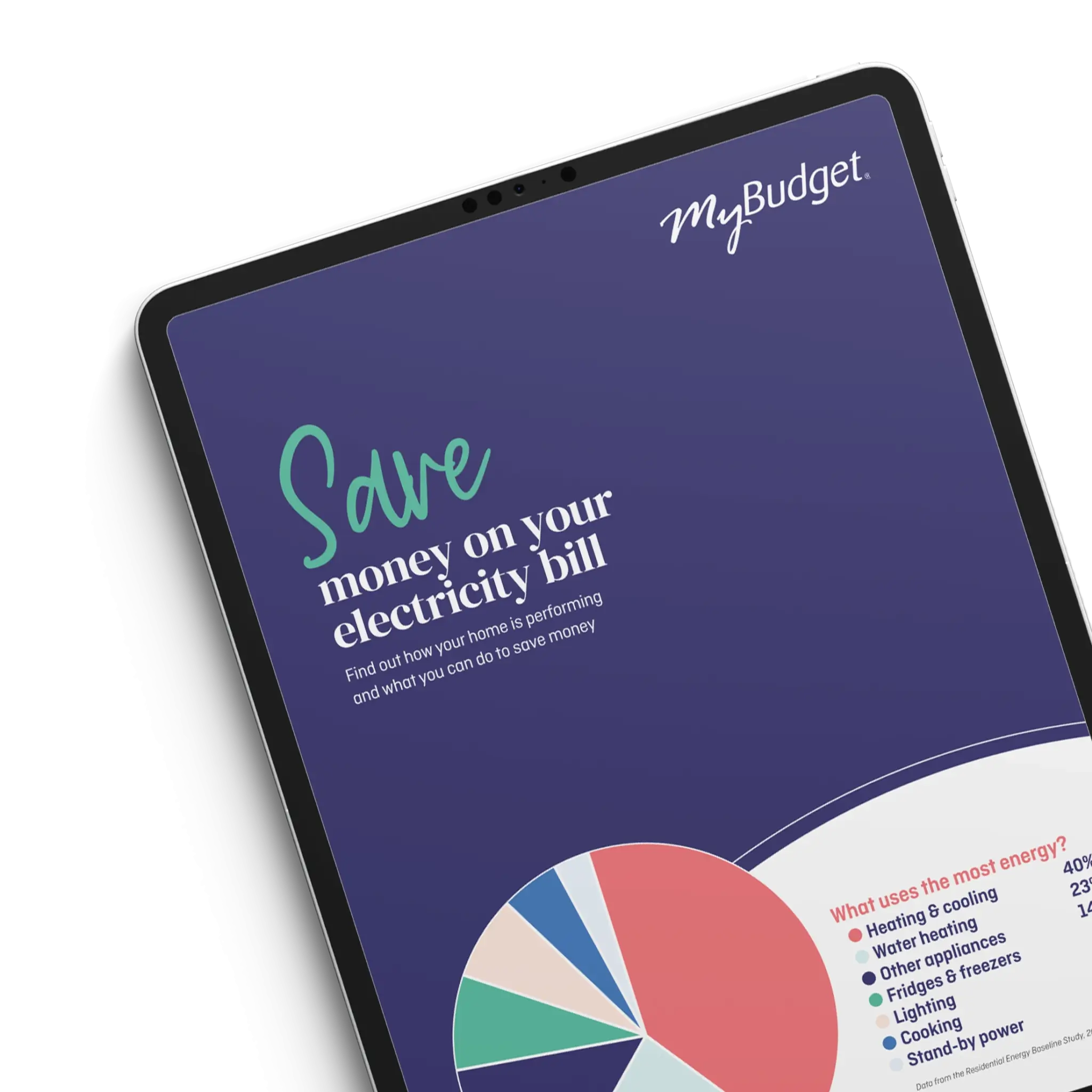
Download our free Energy Saving Checklist
Looking for even more ways to save electricity?
Our free Energy Saving Checklist includes more than 50 practical tips covering:
- Heating and cooling
- Hot water usage
- Kitchen appliances
- Lighting
- Laundry
- Everyday household habits.
Download our free Energy Saving Checklist and see how many opportunities you can find around your home.
How can MyBudget help?
At MyBudget, we help take the stress out of bill time by making sure money is set aside before your electricity bill is due. Your dedicated MyBudget Money Coach works with you to create a personalised budget, helping you stay on top of electricity costs, energy costs and other household expenses.
In fact, 92.6% of clients surveyed in the MyBudget, 25 Years of Money Report said their financial stress had reduced significantly since joining MyBudget.
With funds allocated towards upcoming bills throughout the year, you can avoid surprises, reduce financial stress and feel more confident that essential bills will be paid on time.
Or call 1300 300 922 to book your free budgeting appointment today.

Energy saving FAQs
Can’t find what you’re looking for? See more FAQs…
Heating systems, hot water services, clothes dryers and lighting are typically the biggest contributors to winter electricity bills. Heating alone often accounts for the largest share of household energy use during colder months.
To find out which appliance uses the most electricity, check its wattage and how long it runs each day, or use a plug-in energy monitor. In most Australian homes, heating and cooling systems, electric hot water systems and clothes dryers are among the biggest energy users.
It depends on your home, heating system and insulation. Some households find maintaining a consistent temperature can be more efficient than repeatedly reheating a cold home.
Yes. Many Australians may be eligible for energy concessions, rebates, hardship programs or payment plans through their energy provider or state government. Contact your retailer as early as possible if you’re struggling to pay your bill, as support options are often available before the situation becomes urgent.
This article has been prepared for information purposes only, and does not constitute personal financial advice. The information has been prepared without taking into account your personal objectives, financial situation or needs. Before acting on any information in this article you should consider the appropriateness of the information having regard to your objectives, financial situation and needs.

